
High-Precision Pipe Preparation & Cutting Lineup
Engineered for ABNT NBR standard pipe installations, HVAC systems, and heavy-duty industrial pipe trimming.
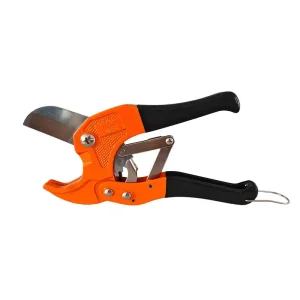
Professional 42mm PVC Pipe Cutter with Anti-Slip Handle - Customized for Brazil Market
View Product Details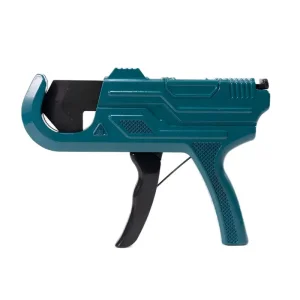
Compact 42mm Ratchet Pipe Cutter for Narrow Spaces - High Durability Industrial Grade
View Product Details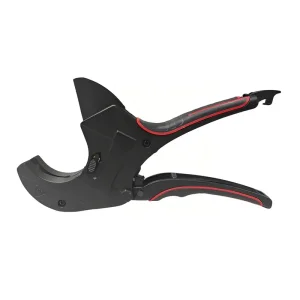
Professional 63mm One-Handed HDPE & Plastic Pipe Cutter for Infrastructure Projects
View Product Details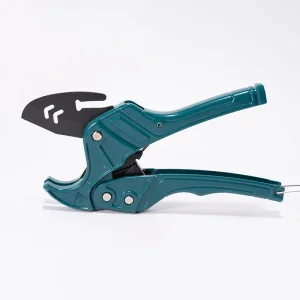
Ratchet PPR & PEX Plastic Pipe Cutter Model 42922 - Heavy Duty Construction Supplier
View Product DetailsMacro Dynamics & Industry Trends Shaping Deburring Tool Sourcing in Brazil
Brazil’s industrial sector is undergoing a massive transformation driven by key investments in offshore oil and gas exploration in the Santos and Campos Basins, large-scale sanitation modernizations mandated by the Novo Marco Legal do Saneamento, and an expanding automotive manufacturing sector concentrated in the ABC Region of São Paulo and Resende, Rio de Janeiro. For enterprise purchasing executives, MRO distributors, and private-label hardware brands operating across South America, securing a reliable Original Design Manufacturer (ODM) and Original Equipment Manufacturer (OEM) for deburring and edge-finishing tools is critical to ensuring operational uptime, product reliability, and workforce efficiency.
Deburring is no longer treated as an auxiliary manual finishing step; it is now recognized as a fundamental quality gate in modern manufacturing and pipeline assembly. Secondary micro-burrs, thermal flash from orbital cutting, and unchamfered metallic or polymer rims introduce catastrophic risks—including O-ring shear in hydraulic systems, compromised gasket seats in high-pressure oil lines, and turbulent flow cavitation in domestic water systems managed by regional utilities like SABESP (São Paulo) and SANEPAR (Paraná).
Key Strategic Takeaway for Brazilian Buyers: Importers utilizing high-speed steel (M2 HSS) swiveling deburring blades with customized 40° to 65° rake angles report up to a 68% reduction in fitting assembly failures during hydrostatic testing under ABNT NBR 15884 and NBR 15575 standards.
Regional Industrial Hubs in Brazil & Their Specific Finishing Requirements
Sourcing deburring systems for the Brazilian market requires a nuanced understanding of regional industrial nuances and localized material specifications:
- Southeast Economic Triangle (São Paulo, Rio de Janeiro, Minas Gerais): Home to intense automotive assembly lines (handling structural steel, aluminum die-cast housings, and copper brake tubes) and massive oil & gas shipyards. Requirements center around titanium-nitride (TiN) coated HSS swiveling blades with high radial wobble resistance.
- Southern Industrial Corridor (Santa Catarina, Rio Grande do Sul): Dominated by metalworking, pump manufacturing, and food-grade stainless steel piping systems requiring non-contaminating, ultra-clean chamfering tools.
- Manaus Free Trade Zone (Zona Franca de Manaus - ZFM): Rapid growth in electronics enclosures, plastic injection molding, and HVAC copper loop assemblies requiring fine-edge internal plastic deburring tools and 3-in-1 calibrator blades.
Advanced Metallurgy
M2 Grade High-Speed Steel (HSS) hardened to 62-65 HRC, treated with TiN and TiAlN coatings to extend wear cycles by 300% in humid, tropical environments.
ABNT NBR Compliance
Tool geometries engineered to match Brazilian standard tolerances for PVC, PPR, PEX-AL-PEX, HDPE, and copper tubing systems.
Zero-Defect Quality Control
100% automated optical profile inspection with a certified defect rate below 0.5%, protecting importer brand integrity in South America.
Optimizing Operational Metrics for Industrial Importers
Quantitative benchmarks achieved by Brazilian MRO distributors transitioning to our custom ODM deburring and edge-chamfering solutions.
Metallurgical Blueprint & Swivel Mechanism Innovation
The performance of a hand-held or machine-integrated deburring tool relies on three core mechanical pillars: substrate hardness, cutter head kinematics, and handle ergonomic dynamics. Below is a detailed breakdown of our ODM engineering standards tailored for high-frequency industrial environments across Brazil.
1. Blade Substrate Metallurgy & Precision Heat Treatment
Standard carbon steel blades frequently fail when tasked with deburring tough materials such as stainless steel tube, glass-filled polymers, or abrasive PEX-AL-PEX multilayer lines. Our factory utilizes premium tungsten-molybdenum High-Speed Steel (M2 Grade / W6Mo5Cr4V2) treated via vacuum salt-bath hardening to achieve uniform microstructural grain boundaries.
| Substrate Grade | Hardness (HRC) | Surface Coating | Primary Application in Brazil | Recommended Workpiece |
|---|---|---|---|---|
| M2 HSS (Standard) | 62 - 64 HRC | Black Oxide / Uncoated | General Plumbing & Sanitary MRO | PVC, PPR, ABS, Soft Copper |
| M2 HSS + TiN | 64 - 66 HRC | Titanium Nitride (Gold) | HVAC Installation & Automotive Component Lines | Hard Copper, Brass, Aluminum, Thin Steel |
| M35 Cobalt HSS | 65 - 67 HRC | TiAlN (Dark Violet) | Offshore Oil & Gas (Santos Basin Shipyards) | 316 Stainless Steel, Duplex Alloys, Monel |
| Solid Carbide Inserts | 90 - 92 HRA | DLC (Diamond-Like Carbon) | High-Volume Automotive CNC Chamfering | Cast Iron, Cast Aluminum, Abrasive Composites |
2. 360-Degree Swivel Kinematics & Chatter Reduction
A primary complaint from Brazilian field technicians using low-grade deburring tools is "blade chatter"—vibrations that leave an uneven, serrated profile along the internal diameter of cut pipes. Our proprietary swivel mechanism incorporates a micro-ground 3.2mm shank housing with dual precision ball bearing seats. This allows the blade to follow the exact inner edge geometry of the pipe effortlessly, absorbing manual operator axial variance and ensuring a smooth, single-pass micro-chamfer.
3. Tropicalized Ergonomic Handles for Heavy Field Usage
Operating in tropical humidity—such as Northern Brazil or coastal industrial zones—requires handles that resist chemical degradation, sweat slippage, and impact drops. Our ODM handle customization options include:
- Dipped Anti-Slip TPU/NBR Sleeves: Double-dipped thermoplastic rubber providing superior tactile grip under oily or wet field conditions.
- Heavy-Duty Hexagonal Aluminum Castings: Lightweight, aircraft-grade aluminum handles featuring internal blade storage compartments and quick-release spring locking collets.
- Private-Label Customization: Color matching based on Pantone standards (e.g., customized brand colors for Brazilian distributor catalog lines), laser-etched serial numbers, and custom blister/box packaging.
Navigating Import Logistics, Customs (Receita Federal), and Mercosur Tariffs
Importing industrial hardware and hand tools into Brazil involves specific regulatory and logistical steps. As an experienced ODM export partner, our team provides full operational assistance to ensure seamless clearance at major maritime ports including Santos (SP), Paranaguá (PR), and Itajaí (SC), as well as air freight through Guarulhos (GRU).
NCM / HS Code Optimization
We provide accurate Harmonized System classification (e.g., HS 8207.90 for interchangeable hand tool blades and HS 8203.40 for pipe cutters) to lower import tax tariffs under NCM (Nomenclatura Comum do Mercosul).
Customs & Documentation
Fully compliant Commercial Invoices, Packing Lists, Certificates of Origin (Form E/CO), and Bills of Lading formatted specifically to satisfy Receita Federal (RFB) audits and reduce tax clearance holds.
ZFM Duty Relief Support
Specialized shipping configurations for companies operating inside the Manaus Free Trade Zone (Zona Franca de Manaus), maximizing tax benefits and PPB compliance.
Consolidated Procurement Solutions for Plumbing & MRO Importers
Managing multiple factory vendors across Asia creates administrative bloat and inconsistent quality. By partnering with our facility, Brazilian purchasing managers can consolidate their entire pipe preparation portfolio—deburring swivels, outer chamfering cones, ratchet plastic pipe cutters, 3-in-1 calibrators, and PPR socket fusion welders—into single container loads, reducing overall freight costs per unit by up to 22%.
Full Range of ODM Deburring, Cutting & Joining Systems
Explore our complete lineup of professional plumbing and metalworking tools available for ODM customization, private labeling, and bulk export to South America.
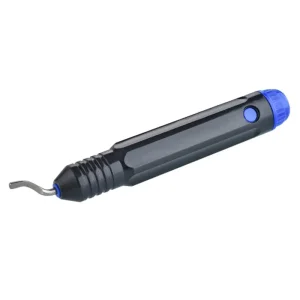
OEM M2 HSS Deburring Tool DT-001 for Metal & Plastic Pipe Edge Finishing
View Product Details
OEM Professional 42mm PVC Pipe Cutter with Anti-Slip Dipping Handle
View Product Details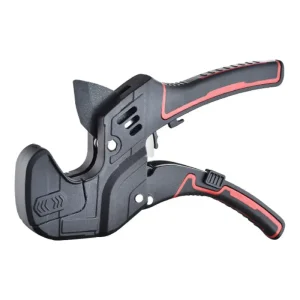
Heavy-Duty Adjustable PVC & Plastic Pipe Cutter Model JC-PC-22
View Product Details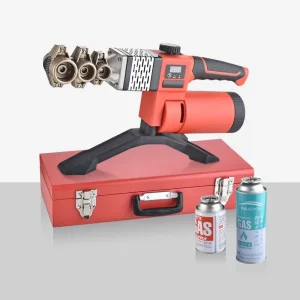
OEM 1.4KW Gas-Powered PPR Fusion Welder for 20-32mm Off-Grid Jobsites
View Product Details
ODM High-Quality 1.4KW Gas Powered PPR Socket Fusion Pipe Welder System
View Product Details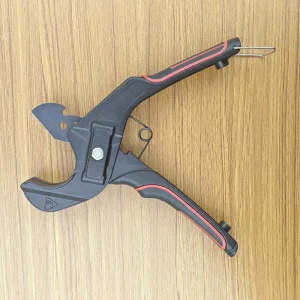
ODM Professional 36mm Precision PEX Pipe Cutter for Plumbing Systems
View Product Details
Wholesale 42mm Ratchet Plastic Pipe Cutter Model 42922 for PVC/PPR/PEX
View Product Details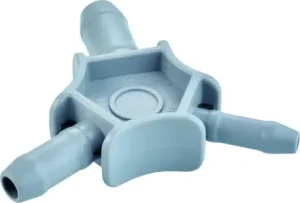
OEM 3-in-1 Pipe Calibrator & Chamfering Tool for PEX-AL-PEX Multilayer Pipes
View Product DetailsThe Future of Industrial Edge Finishing & Deburring in South America
As Brazilian industrial facilities transition toward Industry 4.0 automation and stricter ESG (Environmental, Social, and Governance) targets, tool design must adapt. Our engineering R&D team is driving innovation across three key technical frontiers:
1. Automated Robotic Arm Deburring End-Effectors
For high-throughput automotive stamping plants in São Bernardo do Campo and Resende, manual deburring is increasingly being replaced by cobot (collaborative robot) cells. We are developing standardized 6mm and 1/4-inch hex-shank carbide rotary deburring tips featuring internal micro-compliance springs that allow the tool to follow irregular part contours without gouging expensive cast alloys.
2. Eco-Friendly & Sustainable Polymer Handle Compounds
To support corporate sustainability mandates across global supply chains, our factory is introducing bio-based TPU handle grips derived from renewable castor oil feedstocks, reducing carbon footprint metrics during manufacturing by 35% without sacrificing chemical resistance or mechanical impact strength.
3. Smart Wear-Indicator Blade Coatings
To prevent field operators from utilizing dull blades that create micro-fractures in plastic pipe walls, our next-generation TiN-composite coatings incorporate a multi-layered color transition. When the top cutting layer wears past nominal tolerances, a vivid red sub-layer is exposed, providing clear visual notification to technicians to swap out the blade insert.
Frequently Asked Questions for Brazilian Procurement Executives
Answers to common commercial, technical, and logistical questions regarding ODM manufacturing partnerships.
What is the typical Minimum Order Quantity (MOQ) for custom ODM deburring tools shipping to Brazil?
Our standard MOQ for OEM/ODM private-label deburring tools (custom handle color, laser marking, and customized blister packaging) starts at 1,000 units. For initial trial orders or combined container shipments with our pipe cutters and calibrators, we offer flexible terms to accommodate market testing in South America.
How do your deburring blades handle high-humidity storage during sea transit to Santos or Paranaguá?
All steel blades undergo a vacuum oil-impregnation coating process prior to packaging. Blades are sealed in VCI (Vapor Corrosion Inhibitor) polybags or individual oil-sealed plastic tubes, guaranteeing up to 24 months of rust-free shelf life even during trans-equatorial maritime shipping.
Can you manufacture custom blade geometries for proprietary Brazilian fitting profiles?
Yes. Our engineering department can produce custom CAD/CAM blade profiles tailored to unique pipe wall thicknesses or specific chamfer angle requirements (e.g., 15°, 30°, 45°). Physical rapid-prototype samples can be delivered within 7 to 10 working days for buyer validation.
What quality certifications do your manufacturing lines maintain?
Our manufacturing complex operates under an audited ISO 9001:2015 Quality Management System. Selected power-assisted and gas-driven welding tools also hold SGS and CE certifications for international market entry compliance.
What are the standard payment terms and shipping lead times for enterprise orders?
Standard production lead time is 25 to 30 days post sample approval. We accept TT, Irrevocable LC at Sight, and structured payment terms for long-term distributor partners in Brazil. Freight arrangements can be handled on FOB, CIF, or DDP terms depending on your logistics preference.
Partner with a World-Class ODM Deburring Factory Today
Elevate your brand's market share in Brazil with custom-engineered deburring tools, superior metallurgy, and factory-direct pricing. Contact our engineering and export desk for instant quotes and product catalogs.
Send Inquiry Now