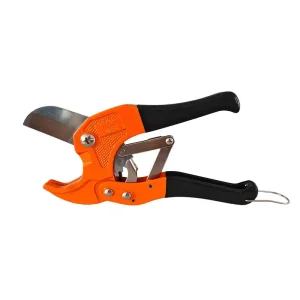
Wholesale PPR Heat Fusion Machine Factories & Factory Engineering Solutions
Next-Generation Socket & Butt Fusion Tools: Industrial-Grade Thermal Precision, Automated Quality Controls, and Direct OEM/ODM Manufacturing Resilience
High-Performance Plumbing & PPR Fusion Tools
Explore our premium factory-direct catalog engineered for rugged field environments, precise pipe cuts, and zero-defect socket welding.
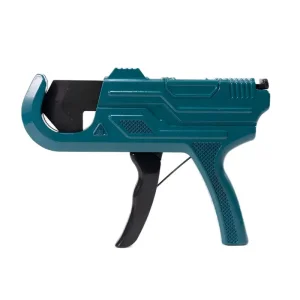
China 42mm Compact Ratchet Pipe Cutter for Narrow Spaces – Reliable Performance by China Suppliers and Factory Suppliers, Manufacturers
View Product Specs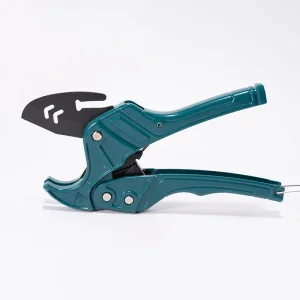
Wholesale 42mm Ratchet Plastic Pipe Cutter - Model 42922 | China Suppliers & Factory for PVC, PPR, PEX Supplier, Factory
View Product Specs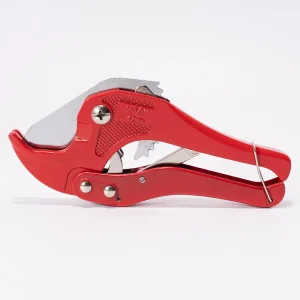
ODM Heavy-Duty 42mm Aluminum PVC Pipe Cutter from China Suppliers - Precision Factory Tool for Professionals Supplier, Factory
View Product Specs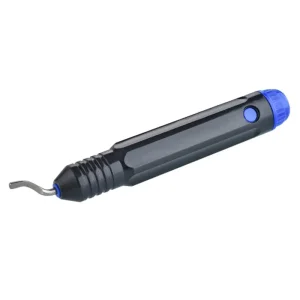
OEM M2 HSS Deburring Tool DT-001 for Metal & Plastic Pipes - China Factory Suppliers for Professional Finishing Suppliers, Factory
View Product Specs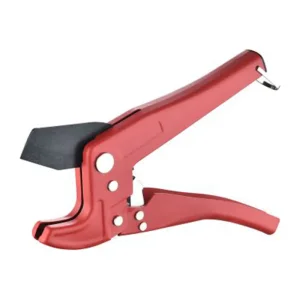
Wholesale 42mm Heavy-Duty Ratchet Plastic Pipe Cutter Model PC-25 - China Suppliers Heavy-Duty Factory Tool for PPR, PVC, PE Pipes Manufacturer, Factory
View Product Specs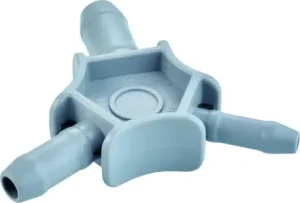
OEM China Suppliers 3-in-1 Pipe Calibrator for PEX-AL-PEX Systems - Factory Price, Precision Calibration Tool Factories, Factory
View Product Specs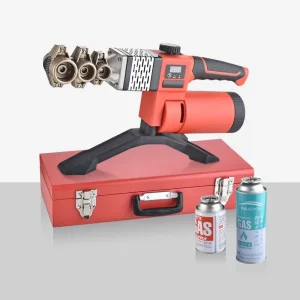
China China Suppliers Factory Direct: 1.4KW Gas Powered PPR Fusion Welder for 20-32mm Pipes Factories, Factory
View Product Specs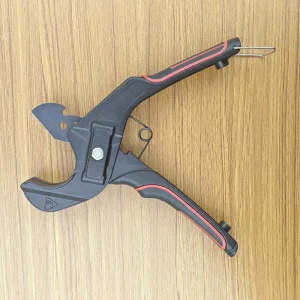
ODM China Suppliers: 36mm Precision PEX Pipe Cutter from Factory - Eliminate Installation Failures in Tight Spaces Supplier, Factories
View Product SpecsPPR Heat Fusion Machine Technical Roadmap & Engineering Horizon
Polypropylene Random Copolymer (PPR-C) piping systems require precise thermodynamic handling during thermal socket fusion. As modern building infrastructure demands 50+ year operational lifespans without hydrostatic joint degradation, wholesale manufacturers are shifting from simple resistive analog heating elements to smart digital PID-monitored architectures.
Microprocessor PID Temperature Control
Traditional bimetallic thermostats suffer from thermal hysteresis fluctuations of ±15°C, which leads to localized polymer crystallization or thermal degradation. Advanced PPR heat fusion machines integrate microcontrollers executing Proportional-Integral-Derivative (PID) feedback loops. This locks the heating matrix temperature strictly at 260°C ± 2°C, adhering directly to DVS 2207-1 standards for hot-melt welding.
Multi-Layer PTFE Die Matrix Coating
The socket and spigot heating dies represent the crucial contact interface. Premium factory standards utilize a triple-layer Japanese Daikin or DuPont Polytetrafluoroethylene (PTFE) fluoropolymer matrix with a thickness ranging between 35 μm to 45 μm. This provides ultra-low surface tension, preventing molten PPR material adhesion and guaranteeing clean, drag-free pipe retraction after the heating phase.
Gas-Powered & Cordless Wireless Mobility
For job sites lacking centralized AC grid power, traditional generator sets present logistically heavy bottlenecks. Factory innovations now include butane/propane micro-combustion heat units and high-discharge 18V/20V Li-ion battery platforms with ceramic PTC (Positive Temperature Coefficient) elements, delivering zero-warmup latency and maximum field portability.
Evolution Roadmap of Fusion Tools
Analog Thermal Switches
Single heating element, mechanical thermostat dial, high thermal inertia with ±15°C drift.
Dual-Element Digital Displays
Independent dual switches, LED digital temperature displays, teflon-coated aluminum heating plates.
Smart PID & Off-Grid Field Tools
Smart MCU monitoring, gas-powered cordless fusion options, automated melt-depth calibration, Bluetooth job-logging.
Macro-Industry Solutions & System Integration
PPR heat fusion machines are foundational tools within global civil engineering, commercial HVAC systems, and industrial fluid transmission projects. Ensuring a homogeneous molecular bond between pipes and fittings eliminates structural weak points.
Municipal Drinking Water & Residential Sanitary Plumbing
Sanitary water networks mandate zero chemical contamination and zero heavy-metal leaching. Socket fusion creates a seamless plastic-to-plastic weld that outperforms solvent-welded PVC or threaded brass in joint tensile strength. By preventing micro-leaks, installers protect building envelopes from catastrophic structural water damage.
Industrial Chemical Transport & Compressed Air Systems
PPR-FR (Fire Retardant) and PPR-CT (Crystallization Temperature Modified) pipes are widely deployed in industrial acid-alkali pipelines and pneumatics. Heat fusion eliminates mechanical gaskets that degrade under harsh chemical fumes, maintaining air tightness up to 25 bar operating pressures.
HVAC Hydronic Heating & Geothermal Thermal Loops
Radiant floor heating and geothermal loops require hundreds of underground manifold connections. Fusion machines equipped with multi-size socket matrix sets (20mm to 110mm) allow quick, repeat fusion cycles with zero risk of pressurized glycol coolant leakage.
| Pipe Material | Optimal Fusion Temp | Heating Time (20mm) | Processing / Insertion Time | Cooling Time | Joint Strength Test |
|---|---|---|---|---|---|
| PPR (Type 3 Copolymer) | 260°C ± 2°C | 5 Seconds | 4 Seconds | 2 Minutes | Hydrostatic Pressure > 16 Bar |
| PPR-CT (Beta-Crystallized) | 260°C ± 3°C | 6 Seconds | 4 Seconds | 3 Minutes | Tensile Shear > 22 MPa |
| PE / HDPE (100 Grade) | 210°C ± 5°C | 7 Seconds | 5 Seconds | 3 Minutes | DVS 2207 Weld Factor > 0.95 |
| PEX-AL-PEX (Multilayer) | Calibrated Press Fitting | N/A (Mechanical) | 3-in-1 Calibrator Prep | Immediate | Burst Pressure > 40 Bar |
China Industry 4.0: Supply Chain Resilience & Factory Scale
Located in the hardware engineering hub of Yuyao, Zhejiang, China's modern PPR heat fusion machine factories leverage vertically integrated supply chains. From aluminum die-casting to automated Surface Mount Technology (SMT) circuit board assembly, localized clusters drastically reduce unit manufacturing lead times while controlling bill-of-materials costs.
Automated Die-Casting & CNC Precision Machining
Heating plates are cast from high-purity ADC12 aluminum alloys utilizing 500-ton automated die-casting presses. CNC machining centers mill plate surfaces to within ±0.05mm flatness, ensuring uniform thermal conduction across all socket connections and eliminating hot-spots.
Rigorous Quality Assurance & Defect Rate Reduction
By implementing automated inline high-voltage breakdown testing (2000V insulation testing) and thermal camera calibration on 100% of finished assembly units, factory defect rates are reduced to below 0.5%, well below the industry standard of 2%.
End-to-End Supply Chain Flexibility
Having in-house plastic injection tooling for tool handles and metal stamping for steel carrying cases allows factory operations to rapidly re-tool for custom colors, branding, and OEM ergonomic adjustments within a 15-day sample turnaround window.
Addressing Global Enterprise Procurement Requirements
Enterprise hardware importers, international tool brands, and regional distributors require more than competitive unit pricing; they mandate supply stability, Total Cost of Ownership (TCO) optimization, and comprehensive brand protection.
Total Cost of Ownership (TCO) Reduction
By utilizing dual-heating elements and heavy-duty silicone rubber power cords that resist accidental soldering-iron damage, factory tool designs lower warranty return rates for brand owners. Long-life heating cores translate to fewer customer complaints and higher retail sell-through.
OEM / ODM Customization & Branding Capabilities
Factory partnerships support private-label laser etching, custom color dipping for non-slip handles, dual-color blow-molded carrying cases, customized instruction manuals in multiple languages, and bespoke socket die configurations tailored to regional market sizes (e.g., Imperial CTS vs. Metric DIN).
Supply Chain Transparency & Compliance Audits
Enterprise buyers are provided full audit access to manufacturing facilities, environmental compliance documentation, ISO9001 quality management workflows, and material safety data sheets (MSDS) for all rubber and polymer components.
Localization Support, Electrical Safety & Regulatory Compliance
Exporting electrical heat fusion equipment across different geographical markets demands absolute adherence to regional electrical safety directives, electromagnetic compatibility (EMC), and environmental chemical restrictions.
CE, Low Voltage (LVD) & EMC Directives
All 220V-240V European-bound heat fusion welders comply with EN 60335-1 and EN 60335-2-45 electrical appliance safety standards. Advanced electronic filtering prevents high-frequency electromagnetic interference from back-feeding into the local grid during rapid heating cycles.
Plug Standards & Regional Voltage Engineering
Factory production lines customize terminal wiring and heavy-gauge power cords for target destinations: EU VDE 2-pin plugs, UK BS1363 fused plugs, US NEMA 3-prong 110V ground plugs, and Australian SAA configurations with double-insulated silicone jackets.
RoHS & REACH Material Safety Compliance
Components undergo chemical screening to ensure zero hazardous substances in accordance with EU RoHS 2.0 (2011/65/EU) and REACH standards. Handle rubber grips, paint coatings, and heating die matrices are fully certified free of lead, cadmium, and PFOA compounds.
Frequently Asked Questions (FAQ) for B2B Importers
Expert answers addressing technical specifications, factory lead times, MOQ, and quality assurance processes for PPR heat fusion machine wholesale procurement.
What is the standard heating temperature for PPR heat fusion, and how is it controlled?
The standardized temperature for PPR socket heat fusion is 260°C (500°F). Our professional-grade machines feature digital PID microprocessors or precision thermal sensors that maintain this target within a tight ±2°C window, preventing polymer degradation while ensuring optimum tensile shear bond strength.
What Minimum Order Quantities (MOQ) apply for OEM private labeling?
Standard factory MOQ for private label OEM customization (custom handle color, laser-etched logo, customized carrying box) starts at 500 units per model size. For standard unbranded catalog stocking orders, smaller trial quantities starting at 100 units can be accommodated.
How do gas-powered PPR welders compare to standard electric models?
Gas-powered PPR welders use compact liquid butane/propane micro-burners to heat the aluminum plate. They are specifically engineered for remote field operations, elevated scaffolding, or construction sites lacking AC electricity or battery charging stations, delivering identical 260°C heating capabilities.
What coating is used on the socket heating dies, and what is its lifespan?
We apply a high-density, multi-layer Daikin PTFE Teflon fluoropolymer coating (35-45 μm thickness). Under standard job site operation, each set of dies withstands over 4,000 continuous fusion cycles before requiring replacement due to normal wear.
What is the typical production lead time for bulk container orders?
Standard production lead times for a 20ft container (approx. 3,000–5,000 tool kits) range between 25 to 35 days following sample approval and deposit confirmation. Accelerated 15-day lead times are available for repeat catalog orders.
Are product samples available for quality evaluation prior to mass production?
Yes, evaluation samples can be dispatched via international express (DHL/FedEx/UPS) within 3 to 5 business days. Sample fees are fully credited back to the customer upon placement of the first official production container order.
Heavy-Duty Cutters, Fusion Welders & Calibrators
Explore additional professional-grade plumbing preparation equipment produced directly at our Yuyao manufacturing facility.
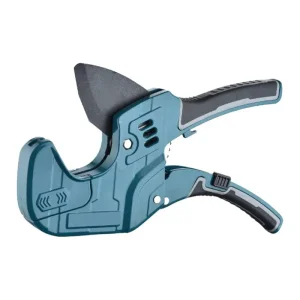
China Heavy-Duty Adjustable PVC Pipe Cutter 50mm/63mm - China Suppliers Factory Model JC-PC-22 Supplier, Manufacturers
View Product Specs
ODM Heavy-Duty Adjustable PVC Pipe Cutter 63mm - China Suppliers Factory Model JC-PC-22 for Large Plastic Pipes Suppliers, Manufacturer
View Product Specs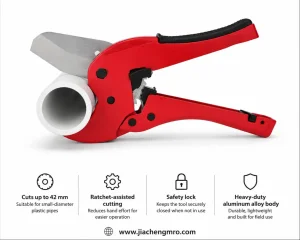
Wholesale Heavy-Duty Ratchet Pipe Cutter for Plastic Pipes - China Supplier & Factory for PP, PE, PVC, PPR Installation Suppliers, Manufacturer
View Product Specs
ODM 1.4KW Gas Powered PPR Fusion Welder for 20-32mm Pipes - High-Quality China Suppliers & Factory Solution Supplier, Suppliers
View Product Specs
OEM 1.4KW Gas-Powered PPR Fusion Welder for 20-32mm Pipes - China Suppliers & Factory - Cordless Solution Manufacturer, Factories
View Product Specs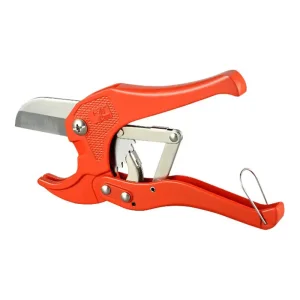
ODM 42mm Manual Plastic Pipe Cutter for PVC, PPR & PEX - China Suppliers, Durable Factory Model JC-PC-001 Manufacturers, Factories
View Product Specs
OEM M2 HSS Deburring Tool for Metal & Plastic Pipes - DT-001 from China Suppliers & Factory Supplier, Factories
View Product Specs