Professional Heating Machines & Tool Systems
High-precision OEM/ODM fusion welders, ratchet cutters, and calibrators engineered for zero-leak performance.
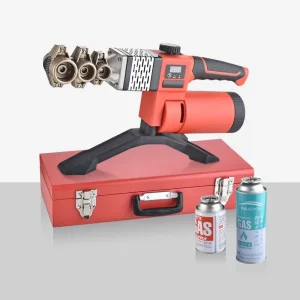
OEM 1.4KW Gas-Powered PPR Fusion Welder for 20-32mm Pipes
View Specs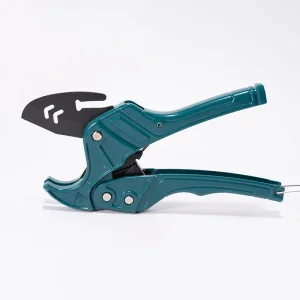
Wholesale 42mm Ratchet Plastic Pipe Cutter - Model 42922
View Specs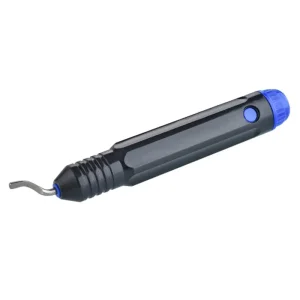
OEM M2 HSS Deburring Tool DT-001 for Metal & Plastic Pipes
View Specs
ODM 1.4KW Gas Powered PPR Fusion Welder for 20-32mm Pipes
View Specs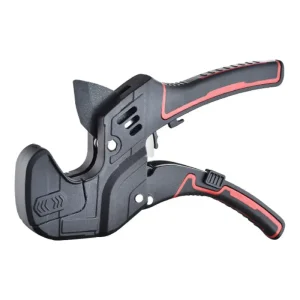
China Heavy-Duty Adjustable PVC Pipe Cutter Model JC-PC-22
View Specs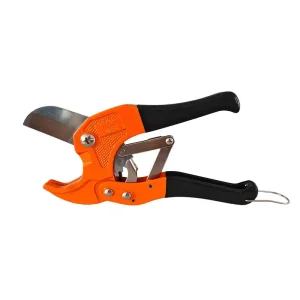
OEM Professional 42mm PVC Pipe Cutter with Anti-Slip Dipping Handle
View Specs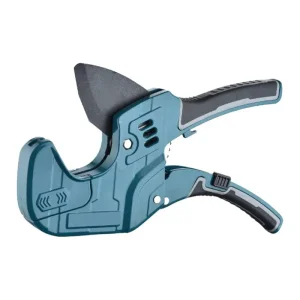
ODM Heavy-Duty Adjustable PVC Pipe Cutter 63mm Model JC-PC-22
View Specs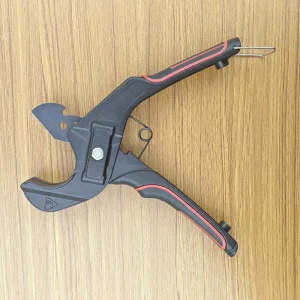
ODM 36mm Precision PEX Pipe Cutter for Tight Spaces
View SpecsGlobal Thermoplastic Pipeline & Fusion Trends
Analyzing global infrastructure modernization, polymer substitution, and the shift to high-integrity jointing technologies.
The global industrial fluid transport landscape is undergoing a systemic transition from metallic piping systems (galvanized steel, copper, and cast iron) toward high-performance polymer networks—specifically Polypropylene Random Copolymer (PPR), High-Density Polyethylene (HDPE), Polybutylene (PB), and Polyvinylidene Fluoride (PVDF). Driven by municipal water infrastructure upgrades, chemical processing expansion, semiconductor cleanroom installations, and HVAC district heating, the demand for **wholesale plastic pipe heating machines** has reached unprecedented volume levels worldwide.
Traditional mechanical jointing—such as threaded fittings or compression couplings—introduces intrinsic failure points through mechanical stress concentration, seal degradation, and crevice corrosion over time. In contrast, modern **heat fusion welding** forms a homogeneous molecular bond between the pipe and fitting. The joint effectively becomes the strongest structural zone of the entire pipeline, exhibiting equal or superior hydrostatic burst pressure resistance compared to unjoined pipe stock.
As a specialized manufacturer based in Yuyao, Zhejiang, Yuyao Jiacheng Tools Industry and Trade Co., Ltd. operates at the center of this technological evolution. By integrating precise closed-loop temperature control, PTFE matrix die coatings, and portable cordless heating technologies (including 1.4KW gas-powered socket fusion systems), we empower distributors and mechanical contractors with high-reliability tools that eliminate jobsite downtime and joint failure liabilities.
Polymer Migration in Municipal Utilities
Cities across North America, Europe, and Southeast Asia are replacing legacy metallic mains with PPR-CT and PE100-RC piping to combat internal scaling and tuberculation. Heating machines must maintain absolute thermal stability across extended jobsite duty cycles.
Off-Grid & Cordless Jobsite Demands
Commercial trenching, high-rise rough-ins, and rural municipal repairs frequently lack accessible 220V grid power. Gas-powered and battery-assisted fusion machinery represent the fastest-growing market sub-segment for industrial B2B procurement teams.
Traceability & ISO Compliance
Modern engineering contracts require fully documented welding parameters. Equipment must deliver predictable heating times, controlled melt bead profiles, and compliance with DVS 2207-1, ASTM F2620, and ISO 12176 standards.
Plastic Pipe Heating Machine Technologies Compared
Selecting the optimal fusion methodology based on pipe diameter, polymer viscosity, and field power accessibility.
Understanding the thermodynamic mechanics of thermoplastic joining is critical for procurement teams, engineering specifiers, and OEM buyers. When heating PPR, PE, or PEX-a pipes, the crystalline structure of the polymer must be transitioned from a solid state to a viscoelastic melt state without exceeding the thermal degradation threshold (typically ~260°C for PPR and ~210°C for HDPE).
| Fusion Methodology | Supported Pipe Diameters | Compatible Polymer Materials | Heating Mechanism & Power | Ideal Field Application Scenario | Key OEM Advantage |
|---|---|---|---|---|---|
| Socket Fusion Welder (Electric) | 20mm – 160mm | PPR, PPR-CT, PB, PE, PVDF | 220V/110V Resistance Heating Element (800W - 2000W) | Residential plumbing, commercial riser installations, indoor HVAC manifolds | Dual-element control, high temperature accuracy (±1°C) |
| Gas-Powered Socket Welder (Cordless) | 20mm – 32mm | PPR, PE, PB | Direct 1.4KW Gas Micro-Burner with Heat Transfer Core | Remote trench repair, power-free jobsites, tight crawlspaces, emergency fixes | Zero-electricity operation, 10-second rapid start-up time |
| Hydraulic Butt Fusion Machine | 63mm – 1200mm+ | HDPE (PE80/PE100), PP, PVDF | Hydraulic Cylinder Pressure + Electric Mirror Heating Plate | Municipal water mains, industrial chemical lines, cross-country pipelines | Robotic data logging, automatic pressure phase control |
| Electrofusion Machine | 20mm – 800mm | HDPE, PP-R (specialty fittings) | Internal Resistance Wire Barcode Scanner Controlled Voltage | Gas distribution mains, high-pressure underground water infrastructure | Minimal space clearance requirement, automated barcode execution |
Core Mechanical & Electrical Architecture of Jiacheng Heating Machines
To ensure long-term durability under harsh construction site conditions, Jiacheng Tool's engineering team implements high-specification material standards across our entire heating machine lineup:
Microprocessor PID Thermal Control
Ensures heater plate stability within ±1°C of target temperature (260°C nominal for PPR), preventing local polymer thermal degradation or weak cold-joints.
Dual-Layer PTFE Matrix Die Coating
Die heads are coated with Japanese-imported PTFE/PFA fluoropolymer matrix, enduring over 5,000 fusion cycles without polymer adhesion or surface flaking.
Ergonomic Die Die-Cast Aluminum Body
High-tensile aluminum chassis provides rapid thermal conductivity across the heating face while maintaining lightweight portability for overhead working angles.
Over-Temperature Protection Cutoff
Integrated thermal fuses automatically disconnect power circuits if temperatures exceed 295°C, protecting sensitive electronics and operator safety.
Global Regulatory Compliance & OEM Standards
Rigorous quality control workflows designed to satisfy North American, European, and Asia-Pacific procurement guidelines.
ISO 9001 Quality System
Our 2,667 m² Yuyao manufacturing plant strictly complies with ISO 9001:2015 standards. Every socket fusion welder undergoes mandatory 100% full-load electrical safety, insulation breakdown, and thermal stability testing prior to packaging.
SGS / CE International Certification
Our proprietary 1.4KW gas-powered PPR pipe fusion welder and electric welding lines hold official SGS and CE certifications. Compliance documentation, EMC test reports, and Low Voltage Directives (LVD) are provided to streamline customs clearance.
Custom OEM Branding & Packaging
We provide full ODM/OEM customization for international tool brands and retail chains (such as Lowe's standards). Services include custom machine housing colors, laser-etched branding, customized metal carry cases, and localized user manuals.
End-to-End Quality Inspection Protocol
To achieve a verified customer defect rate under 0.5%, Jiacheng Tools implements a 4-tier quality gate system:
- Incoming Material Inspection (IQC): Ultrasonic flaw detection on raw aluminum alloy ingots, purity verification of PTFE coatings, and micro-ohm resistance testing of heating elements.
- CNC Precision Machining (IPQC): Over 40 sets of CNC lathes and automated machining centers maintain die socket tolerances within ±0.02mm, guaranteeing precise interference fits during socket fusion.
- Operational Thermal Burn-In (FQC): 100% of manufactured heating plates are subjected to continuous 4-hour thermal burn-in cycles to confirm thermostat stability and eliminate early component mortality.
- Export Carton Drop & Moisture Testing (OQC): Final packed units undergo drop-impact testing and moisture barrier verification to withstand transoceanic shipping conditions.
Real-World Installation Scenarios & Solutions
Addressing technical challenges encountered by plumbing contractors and industrial pipe installers worldwide.
Scenario A: Residential Plumbing Rough-In
Challenge: Installers face tight wall cavities and limited working space where bulky traditional welders cannot fit, leading to crooked insertion angles.
Jiacheng Solution: Ultra-slim profile heating plates combined with 36mm precision PEX and 42mm ratchet cutters allow clean 90° pipe cuts and single-operator socket fusion inside narrow wall studs.
Scenario B: Remote Utility & Trench Repair
Challenge: Emergency municipal repair of broken PPR/PE lines in open fields without generator access or battery charging stations.
Jiacheng Solution: Our patented 1.4KW Gas-Powered PPR Fusion Welder operates instantly using standard butane gas cartridges, delivering continuous 260°C heat without heavy extension cords or generators.
Scenario C: Multilayer PEX-AL-PEX Press Prep
Challenge: Cutting aluminum-composite pipes often deforms the internal core, causing O-ring tears inside press fittings during insertion.
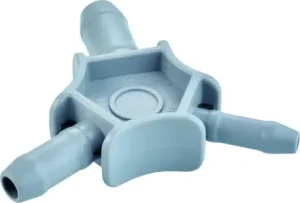
Jiacheng Solution: Utilizing Jiacheng 3-in-1 Pipe Calibrators (16/20/25/26mm) immediately after cutting restores roundness while beveling the internal edge, guaranteeing 100% leak-free press joints.
Future Technology Roadmap: Smart Fusion 2.0
How Jiacheng Tools is shaping the next era of intelligent, connected polymer welding hardware.
As construction projects shift toward Industry 4.0 digitisation and stricter quality auditability, pipe welding tools must evolve beyond basic heat generators into smart, data-capturing instruments. Jiacheng Tools' R&D team in Yuyao is currently advancing three strategic technology pillars:
1. IoT Cloud-Connected Welding Loggers
Integrating Bluetooth 5.0 modules into digital socket welders to automatically record GPS location, heating cycle time, ambient temperature, and operator ID, pushing joint data directly to cloud audit dashboards.
2. Infrared Optical Bead Inspection
Developing embedded thermal imaging sensors that scan the fused polymer bead profile in real time, alerting operators instantly if melt depth or alignment falls outside DVS 2207 parameters.
3. Eco-Friendly Low-Emission Gas Burners
Enhancing our cordless gas fusion range with catalytic combustion nozzles, boosting thermal efficiency by 25% while lowering hydrocarbon emissions to meet strict indoor environmental standards.
Frequently Asked Questions (FAQ)
Expert technical answers for procurement directors, tool brand buyers, and engineering wholesalers.
The standard heating temperature for Polypropylene Random Copolymer (PPR) socket fusion is 260°C (±5°C). Heating soak times vary by pipe outer diameter according to DVS 2207 standards: 20mm pipe requires 5 seconds of heating time; 25mm requires 7 seconds; 32mm requires 8 seconds; 40mm requires 12 seconds; and 63mm requires 24 seconds. Jiacheng heating machines maintain uniform heating plate distribution to prevent localized overheating.
Jiacheng’s gas-powered fusion welder utilizes a high-efficiency 1.4KW micro-gas burner powered by standard butane gas canisters. It incorporates a piezoceramic ignition system and a closed heat conduction matrix that transfers thermal energy directly to the Teflon-coated die socket. The flame remains enclosed inside the combustion core, preventing open flame contact with external surroundings and achieving steady temperature output without electrical supply lines.
Cutting plastic or multilayer pipes often creates micro-burrs, ovality deformations, or uneven end angles. If an oval or burred pipe end is inserted into a fusion heating die or press fitting, it unevenly displaces the molten polymer wall, resulting in localized thin spots, partial blockage, or premature joint leaks. Using tools such as the Jiacheng M2 HSS Deburring Tool and 3-in-1 Pipe Calibrator restores circularity and chamfers the pipe edge, ensuring even heat absorption and uniform weld beads.
As a direct factory manufacturer, Jiacheng Tools supports custom OEM branding, tailored housing colors, custom die sizes, branded blow-molded or steel toolboxes, and custom instruction manuals. Standard OEM MOQ typically ranges between 500 to 1,000 units depending on the model. We also provide sample units for validation prior to contract signing.
Our fusion socket die heads are precision-machined from high-density aluminum alloy and electro-coated with dual-layer PTFE matrix fluoropolymer coating. This process provides ultra-low friction coefficients, preventing sticky polymer residue accumulation and resisting abrasion for over 5,000 continuous welding cycles.
Explore More Industrial Pipe Installation Hardware
Factory-direct wholesale tools engineered for professional plumbing, HVAC, and industrial gas networks.
OEM Professional 42mm PVC Pipe Cutter for High-Frequency Use
View Specs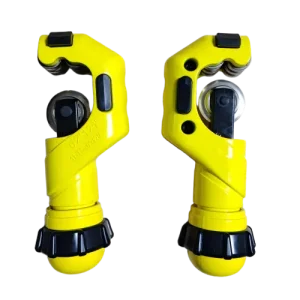
Wholesale Heavy-Duty 1.25-inch Copper Tube Cutter
View Specs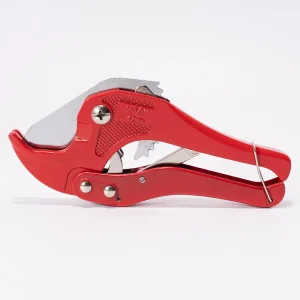
OEM Heavy-Duty 42mm Aluminum Pipe Cutter from China Supplier
View Specs
ODM China's Professional 36mm Precision PEX Pipe Cutter
View Specs
Wholesale 42mm Ratchet Plastic PPR Pipe Cutter Model 42922
View Specs
Wholesale Heavy-Duty Adjustable PVC Pipe Cutter Model JC-PC-22
View Specs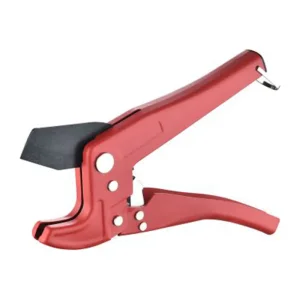
ODM 42mm Heavy-Duty Ratchet Plastic Pipe Cutter PC-25
View Specs