Global B2B Sourcing Analysis: The Industrial Shift to Thermoplastic Fusion
An executive report on polymer jointing dynamics, procurement risks, and engineering requirements for international distributors and MRO suppliers.
In modern fluid dynamics, civil utility expansion, and industrial chemical conveyance, traditional metallic piping systems (galvanized steel, copper, and iron) are rapidly giving way to high-density polymers such as Polypropylene Random Copolymer (PPR), High-Density Polyethylene (HDPE), Polyethylene of Raised Temperature Resistance (PE-RT), and Polyvinylidene Fluoride (PVDF). As infrastructure investment accelerates across Europe, the Middle East, Southeast Asia, and the Americas, global procurement managers face an urgent imperative: sourcing high-precision, industrial-grade thermoplastic fusion equipment that eliminates pipe joint vulnerability.
Unlike mechanical compression fittings or solvent-cemented connections—which are susceptible to thermal expansion shear, chemical degradation, and fatigue over time—heat fusion welding creates a monolithic molecular structure. When socket fusion or butt fusion is executed correctly, the joint interface exhibits equal or superior mechanical strength compared to the pipe wall itself.
Mass-market fusion welders often suffer from single-loop analog thermostats, causing temperature fluctuations exceeding ±15°C across the heating plate. In PPR and HDPE joining, a variance of just 10°C outside the optimal melt window (typically 260°C for PPR, per DVS 2207-11 standards) leads to either cold welding (insufficient polymer interdiffusion causing high-pressure leaks) or thermal degradation (over-melting that restricts internal pipe lumen and causes flow turbulence). Partnering with a specialized factory with digital PID microprocessor control and dual heating elements guarantees total joint integrity.
Macro Market Dynamics Driving Wholesale Demand
Global supply chain directors and hardware brand owners must calibrate their inventory to align with three macro industrial trends:
- Urban Heating & HVAC Modernization: Large-scale radiant heating and chilled-water circulation systems increasingly specify PPR-AL-PPR and PEX-AL-PEX composite pipes, demanding calibrated fusion sockets and multi-layer pipe preparations to prevent delamination.
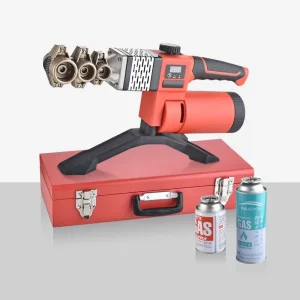
- Off-Grid Utility Infrastructure: Water distribution projects in developing rural networks require cordless and standalone fusion capabilities. Gas-powered PPR fusion units (such as our 1.4KW propane/butane models) eliminate dependence on bulky diesel generators in remote jobsites.
- Commercial Building Codes & Water Hygiene: Potable water regulations strictly prohibit chemical glues containing VOCs. Thermal socket fusion provides a completely non-toxic, zero-chemical jointing standard required by international sanitary authorities.
Cost Optimization vs. Total Quality
Overcoming low-tier market dumping by introducing long-life Japanese PTFE matrix die coatings that yield up to 4,000 continuous fusion cycles per die set.
Zero-Defect Assurance
Factory-level 100% full-load burn-in tests and thermal imaging diagnostics ensuring every unit shipped maintains uniform heat distribution under 0.5% return thresholds.
Lead-Time & Supply Chain Resilience
Standardized automated CNC machining of aluminum heating plates guarantees short lead times and scalable high-volume production for major tool importers.
Technical Architecture: Fusion Welding Mechanics & Die Matrix Engineering
In-depth breakdown of thermodynamics, socket vs. butt welding parameters, and electrical safety standards.
Selecting the ideal thermoplastic fusion welder requires a thorough understanding of polymer behavior during heating, soaking, joining, and cooling phases. As a dedicated OEM/ODM factory, Yuyao Jiacheng Tools engineers fusion machines to meet rigorous German DVS (Deutscher Verband für Schweissen und verwandte Verfahren) guidelines.
1. Socket Fusion Technology vs. Butt Fusion vs. Electrofusion
Thermoplastic jointing relies on three primary methods depending on pipe diameter, pressure rating, and field conditions:
Socket Fusion (20mm – 125mm)
Primary Application: PPR, PE-RT, and small-bore HDPE indoor plumbing and HVAC lines.
Mechanism: The pipe outer end and fitting inner socket are simultaneously heated on male/female Teflon-coated dies mounted to a solid heating plate. Once softened, the pipe is inserted into the socket without rotation, creating a homogeneous molecular matrix.
Butt Fusion (63mm – 1200mm+)
Primary Application: Mainline municipal water, gas mains, and industrial HDPE pipelines.
Mechanism: The square-cut ends of two pipes are planed true and pressed against a flat heating plate under precise hydraulic or mechanical pressure, forming an external and internal double bead.
Electrofusion (20mm – 630mm+)
Primary Application: High-risk gas lines and tight trench repair work.
Mechanism: Fittings containing internal electrical resistance wires are energized by a regulated power source, melting the surrounding plastic interface.
2. Thermal Precision & Microprocessor Control
The heart of high-performance fusion tools lies in thermal stability. Our advanced commercial and industrial fusion welders feature:
- Dual-Heating Element Architecture: Independent heating loops allow rapid initial ramp-up (reaching 260°C in under 3 minutes) while switching to low-energy maintenance mode during continuous operation.
- Digital PID Control: Closed-loop feedback sensors actively adjust power output to maintain surface temperature consistency within ±1°C, preventing localized hot spots.
- Multi-Layer PTFE Die Coatings: Sockets feature high-density Daikin/DuPont PTFE coating (min 35 microns) to prevent molten polymer adhesion, ensuring zero drag during tool removal.
Industrial Fusion Machine Technical Specifications Matrix
| Category / Model Range | Working Capacity | Rated Power (Wattage) | Temp Control Range | Die Socket Material | Target Market Application |
|---|---|---|---|---|---|
| Compact Commercial Socket Welder | 20mm – 32mm (½" to 1¼") | 800W – 1000W | 50°C – 300°C (Analog/Digital) | Cast Aluminum + Dual PTFE | Residential Plumbing, PPR Sanitary Repair |
| Heavy-Duty Industrial Socket Welder | 20mm – 63mm (½" to 2") | 1500W – 2000W | 200°C – 280°C (PID Digital) | Reinforced Die-Cast + Triple PTFE | Commercial HVAC, Municipal Water & Gas |
| Large Diameter Socket System | 75mm – 110mm / 160mm | 2200W – 3000W | PID Digital Control (±1°C) | Heavy-Duty Molded Alloy | Industrial Process Piping, Chemical Plants |
| Off-Grid Cordless Gas-Powered Welder | 20mm – 32mm | 1.4KW Equivalent Thermal Output | Self-Regulating Gas Valve | High-Thermal-Conductivity Copper-Alloy | Remote Field Pipelines, Emergency Repairs |
Turnkey Macro Industry Solutions & Field Workflows
Tailored fusion ecosystem configurations designed for diverse global environments.
Residential & Commercial Plumbing
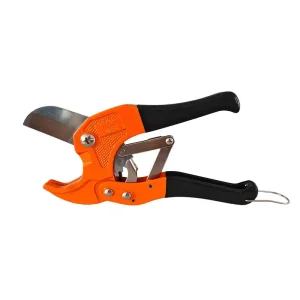
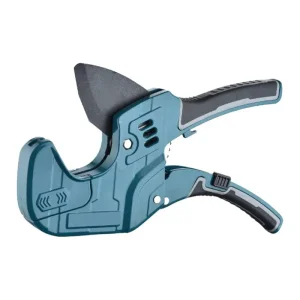
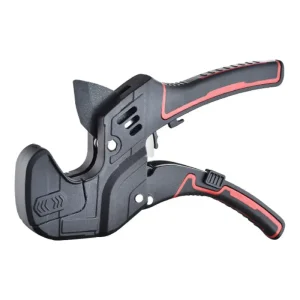
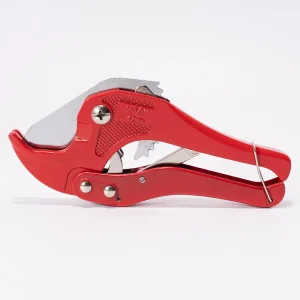
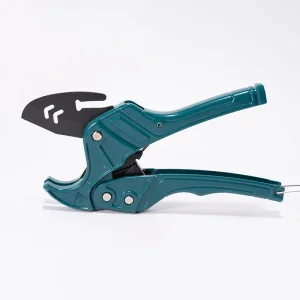
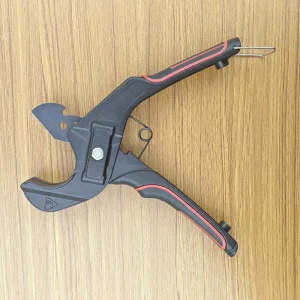
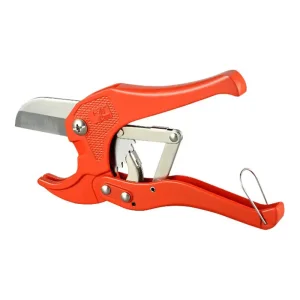
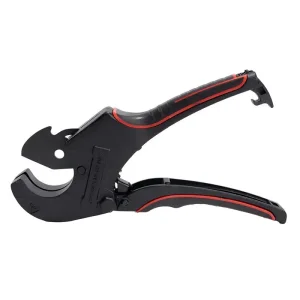
Complete PPR socket welding kits including multi-angle floor stands, precision 42mm ratchet cutters, and 20-32mm dies packed in heavy-gauge steel carrying cases for high-volume retail distribution.
Off-Grid Utility & Trench Repairs
Utilizing gas-powered 1.4KW fusion technology to bypass electrical power generators. Provides rapid heat stabilization in under 2 minutes, essential for emergency utility repair in mud trenches and remote sites.
Industrial Process & Chemical Lines
Extremely rigid temperature maintenance (±1°C) paired with specialized high-purity Teflon sockets for welding PVDF and PP-H piping used in semiconductor manufacturing and acid transfer.
Multilayer PEX-AL-PEX Preparation
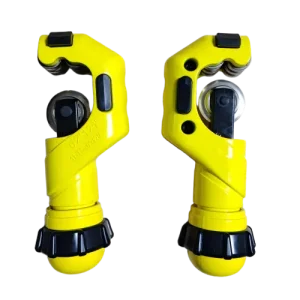
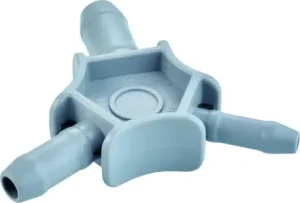
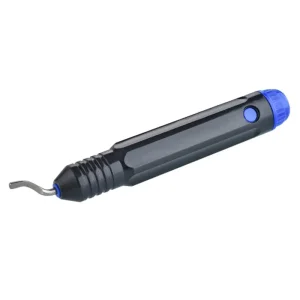
Synchronized preparation workflow combining 3-in-1 calibrators, deburring chamfer tools, and precision cutters to eliminate aluminum layer crushing prior to thermal press or socket fitting.
Technology Roadmap: Next-Generation Fusion Innovation (2025–2030)
How Jiacheng Tools is integrating IoT diagnostics, advanced alloy matrixes, and smart power management into future OEM product lines.
The pipeline construction landscape is shifting toward strict digital documentation, automated quality assurance, and reduced operator dependencies. Modern infrastructure projects require verifiable proof of every weld. As an engineering-driven manufacturer, our R&D pipeline is aligned with the following key technological breakthroughs:
Smart IoT Weld Logging & Cloud Sync
Integration of Bluetooth & RFID modules into digital fusion units to automatically record real-time heating time, pressure curve, surface temperature, and operator ID—transmitting weld certificates straight to project management databases.
Graphene-Enhanced Heating Core Matrix
Utilizing graphene thermal conductive coatings inside die-cast aluminum plates to achieve instant thermal response times, reducing cold-start warm-up time by 45% while decreasing energy consumption.
Nanocomposite Non-Stick Matrix Coatings
Transitioning from classic PTFE to fluoropolymer-ceramic nanocomposite coatings that increase die surface hardness, enabling over 6,000 insertion cycles with zero polymer residue build-up.
Compliance, Quality Assurance & OEM Customization E-E-A-T
Delivering total peace of mind for global tool brands, importers, and big-box retail channels.
Yuyao Jiacheng Tools Industry and Trade Co., Ltd. operates a state-of-the-art 2,667 m² production facility in Yuyao, Zhejiang Province—the heartland of China's precision hardware manufacturing hub. With over a decade of specialized focus on pipe cutting and thermal fusion tools, our engineering processes adhere strictly to international manufacturing benchmarks.
Rigorous Quality Control Workflow
To maintain our certified defect rate below 0.5%, every tool batch undergoes a rigorous 4-stage quality gate before export packaging:
- Raw Material Spectroscopy: High-grade aluminum alloys and tool steels (e.g., M2 HSS for deburring tools, SK5/50CrV for cutter blades) are verified for material composition and tensile strength.
- Thermal Matrix Calibration: 100% of fusion heating plates are mapped using infrared thermography to guarantee uniform surface heating without cold margins.
- Electrical & Dielectric Testing: Grounding resistance and high-voltage insulation tests (up to 1500V) ensure compliance with CE (LVD/EMC) safety directives.
- Mechanical Destruction & Pressure Testing: Pipe joints welded using our fusion units are subjected to burst-pressure testing and hydro-static fatigue trials up to 40 bar.
Custom Electrical Voltages & Plugs
Full support for European standard 230V VDE, North American 110V UL-type, UK 110V/240V, and South American plug configurations to ensure regional market compliance.
Private Labeling & Branding
Custom laser-etched branding, custom handle dipping colors (Pantone matching), custom steel carrying case colors, and branded retail blister/box packaging.
Tailored Mold Die Sets
Custom metric (20-160mm) and imperial (1/2" to 4" IPS/NPS) socket dies designed specifically for local pipe wall thickness standards (SDR6, SDR7.4, SDR11).
Jiacheng Tools Industrial Benchmarks
Quantifiable operational metrics driving successful OEM partnerships worldwide.
Frequently Asked Questions (B2B Procurement & Technical FAQ)
Direct answers for tool distributors, procurement heads, and engineering teams.