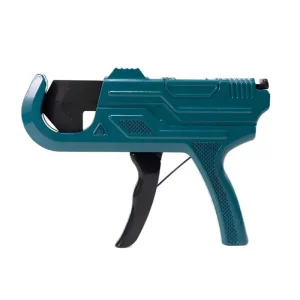
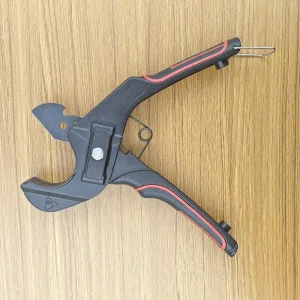
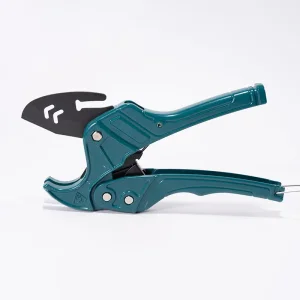
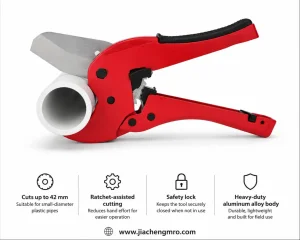
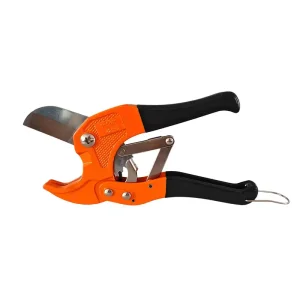
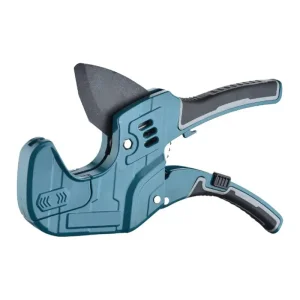
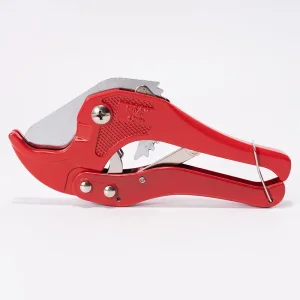
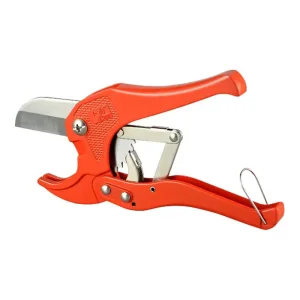
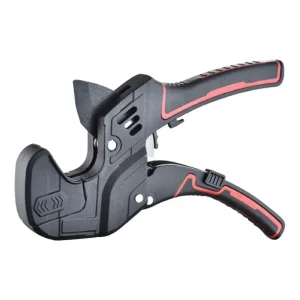
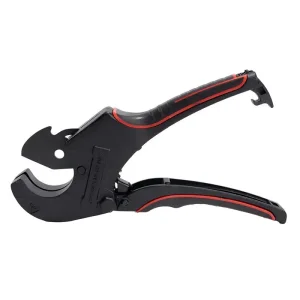
China 42mm Compact Ratchet Pipe Cutter for Narrow Spaces – Reliable Performance by China Suppliers and Factory Suppliers, Manufacturers
Inquire & Order
Reliable electrofusion, socket fusion, and heavy-duty pipe cut-off engineering tools certified under ISO9001 quality workflows with factory defect rates lower than 0.5%.
How the shift from conventional thermal butt fusion to intelligent, automated electrofusion technology is transforming critical HDPE, PE100-RC, and polymer pipeline infrastructure worldwide.
Modern wholesale electrofusion units now integrate intelligent optical barcode scanners conforming to ISO 12176-2 standards. Machines automatically compute energy equations, heating intervals, and dynamic cooling durations based on embedded resistor wire metrics, mitigating human operational variance on high-integrity gas mains.
Global civil engineering mandates require micro-level documentation. Next-gen electrofusion control processors feature Bluetooth/GSM telemetry that uploads joint GPS location, ambient temperature, actual applied voltage, operator credentials, and pressure logs to decentralized cloud QA dashboards in real-time.
Transitioning from heavy magnetic transformer designs to insulated-gate bipolar transistor (IGBT) high-frequency inverters reduces unit weight by over 45% while delivering steady, ripple-free current. This guarantees optimal molecular chain interdiffusion inside electrofusion fittings during harsh fluctuations in generator output.
Enterprise procurement divisions at utility corporations, EPC infrastructure conglomerates, and hardware distributors assess specific engineering KPIs before finalizing wholesale manufacturing contracts.
Welders must execute precise temperature compensation across an ambient range of -20°C to +50°C. Advanced sensors modulate energy dissipation curves dynamically to prevent cold-fusion joints or over-melting of PE pipe core structures.
Unstable field power supplies damage sensitive electronics. Tier-1 buyers demand electrofusion controllers with wide input voltage windows (180V–280V) and built-in surge suppresses capable of surviving dirty power spikes on remote job sites.
Tier-1 municipal tenders across the EU, GCC, and Americas demand PDF and CSV data exports formatted for immediate import into GIS systems, detailing joint numbering, fusion voltage, cooling phases, and visual fault telemetry.
High ingress protection housings manufactured with reinforced ABS polymers or powder-coated aluminum chassis shield delicate PCB assemblies from sand, driving rain, slurry splashes, and rugged vehicle transit abuse.
Batch Failure Rate
CNC Machining Units
Dedicated Factory Footprint
International QA Standard
Yuyao Jiacheng Tools Industry and Trade Co., Ltd. sits at the heart of Zhejiang's advanced manufacturing corridor, integrating direct raw material sourcing, CNC tooling, and seamless logistics adjacent to Ningbo Port.
By housing over 40 sets of high-precision CNC equipment, stamping presses, and robotic die-casting stations, our facility eliminates intermediary subcontractors. From raw SK5/M2 alloy blade heat-treatment to micro-machined transformer brackets, internal production yields unmatched dimensional tolerances and rapid turnaround times.
Situated in Lanjiang Street, Xiaodong Development Zone, our 2,667+ square meter complex leverages immediate access to specialized electro-mechanical suppliers, high-grade polymer injection molders, and ISO-certified electronics fabricators. We offer shorter lead times and higher resilience against localized component bottlenecks.
Every single electrofusion system, pipe calibration device, and ratchet cutting instrument undergoes a multi-gate validation regime: structural load cycle simulation, electronic PCB burn-in testing, and dimensional micrometer calibration. This rigorous process keeps our recorded failure rate firmly below 0.5% across all wholesale export shipments.
Reliable polymer pipeline welding hinges on combining precise electrofusion units with square, burr-free pipe preparation tools across demanding environmental and industrial operations.
Natural gas infrastructure permits zero tolerance for pinhole leak paths. Electrofusion joining creates homogenous molecular unions. Pairing our ratcheting cutters and deburring blades guarantees square 90-degree cuts and clean scraping surfaces, preventing catastrophic joint oxidation or voids.
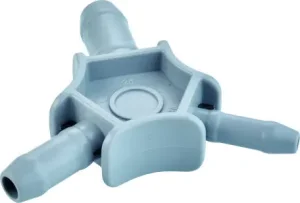
For municipal water lines up to 63mm and beyond, electrofusion couplings preserve uninhibited hydraulic flow rates while preventing soil-load subsidence fractures. Proper deburring and chamfering ensures the embedded heating wires remain undisturbed during pipe insertion.
Heavy chemical and tailings transport demands thick-walled HDPE piping. In confined mine tunnels or corrosive refinery conduits, electrofusion joining avoids the heavy equipment logistics of large hydraulic butt-welders, providing durable bonds in limited clearances.
Engineered for high-volume commercial installations, plumbing tool wholesalers, private label brands, and EPC mechanical contractors worldwide.
Expert answers addressing electrical parameters, quality inspection standards, OEM private labeling, and joint failure prevention.
Butt fusion heats the face ends of two pipes using an exposed hot plate, joining them together under direct hydraulic force. Electrofusion uses specialized socket fittings containing integrated electrical resistance wires. A computerized electrofusion welding machine delivers a calibrated voltage (typically 8V to 48V) to melt the fitting sleeve and pipe wall simultaneously from within. This method is preferred in tight trenches, repair excavations, and municipal gas networks where maneuvering bulky butt-welding rigs is impractical.
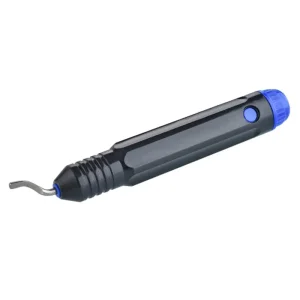
More than 80% of electrofusion joint failures stem from poor pipe surface prep rather than electrical faults. Extruded HDPE pipes develop a degraded oxide layer upon exposure to UV light and air. Technicians must use specialized rotary scrapers or deburring reamers to strip away approximately 0.2mm of the pipe's outer layer, ensure a square cut using precision ratchet cutters, and wipe away contaminants with isopropanol to achieve reliable molecular fusion.
Yes. Yuyao Jiacheng Tools Industry and Trade Co., Ltd. is a dedicated OEM/ODM manufacturing facility. We handle laser marking, customized molded carrying cases, branded front panels, and custom firmware that matches regional utility specifications (such as ISO barcode parsing or proprietary language UI interfaces).
Our manufacturing operations are certified under the ISO 9001 Quality Management System, maintaining an audited defect rate below 0.5%. Our gas-powered PPR socket fusion equipment and electrical line products carry SGS/CE certificates, providing overseas importers and distributors with the documentation required for smooth customs clearance and utility auditing.
Standard OEM production runs average 25 to 35 business days depending on volume, packaging configurations, and tool die setups. With our facility based in Yuyao near Ningbo Port, international ocean freight can be staged and dispatched quickly, streamlining your wholesale supply chain.