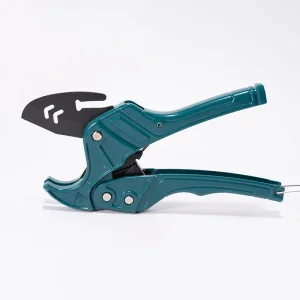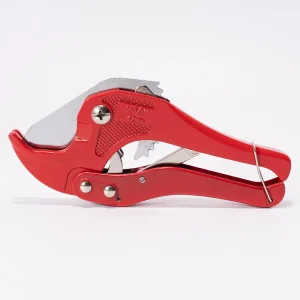
Premium Engineering & Pipe Preparation Equipment
Explore our core industrial product lineup manufactured to international quality standards for demanding plumbing, HVAC, and civil infrastructure applications.
The Dynamics of Modern Thermoplastic Piping & Fusion Welding
An engineering perspective on why PPR socket fusion integrity dictates infrastructure longevity across civil, commercial, and industrial deployments.
In modern hydraulic engineering, Polypropylene Random Copolymer (PPR-80 and PPR-100) piping systems have rapidly outpaced traditional copper and galvanized steel networks. Driven by exceptional chemical inertness, zero scale accumulation, superior thermal resistance, and a design lifespan exceeding 50 years, PPR has established itself as the global standard for hot and cold potable water distribution, industrial fluid transport, and radiant heating matrices. However, the integrity of any plastic piping network is fundamentally governed by the quality of its permanent joints. Unlike threaded metal fittings or solvent-cemented PVC connections, PPR pipes rely on thermostatic socket fusion welding—a process that creates a homogeneous, monolithic molecular bond between the pipe exterior and fitting interior.
Executing zero-defect socket fusion joints requires specialized heating apparatuses engineered to maintain exact thermal stability, uniform heating face geometry, and precise mechanical alignment. As a primary global hub for plumbing tool manufacturing, qualified OEM PPR welding tool suppliers and factories play a critical role in providing international buyers, tool brands, and mechanical contractors with high-reliability equipment. From electronic micro-processor controlled heating plates to gas-powered field-use socket fusion welders, the technological evolution of PPR welding equipment has shifted from rudimentary electrical heaters to intelligent, ergonomically optimized joining tools.
High-Precision Socket Fusion Engineering Specifications
Deconstructing the thermal mechanics, heating element design, and metallurgical alloy selections behind professional-grade fusion tools.
1. Microprocessor PID vs. Bi-Metallic Thermostatic Control
The core of any professional PPR welding tool lies within its thermal regulation mechanism. Polypropylene random copolymer melts into a viscous fluid state at temperatures between 250°C and 270°C. Heating below 245°C results in incomplete molecular cross-linking, causing cold joints vulnerable to high-pressure leaks. Conversely, heating above 275°C degrades the polymer chain structure, leading to material crystallization, severe bore constriction (bead intrusion), and premature joint failure. Advanced OEM PPR welding machines feature micro-controller PID (Proportional-Integral-Derivative) thermostats that continuously sample aluminum plate temperatures via platinum resistance sensors (PT100), maintaining an active temperature window of ±3°C even during continuous cold-weather outdoor operation.
2. Die Head Metallurgy & Multi-Layer PTFE Coating Protocols
Socket fusion die heads (comprising male spigot and female socket components) are subject to repeated thermal cycling and intense frictional friction. Leading China factories utilize high-density die-cast aluminum alloys (such as ADC12 or A380) to ensure rapid thermal conductivity and uniform heat transfer across the entire contact surface area. To prevent molten polypropylene from adhering to the die face during pipe extraction, dies undergo multi-stage surface treatments: sandblasting, micro-etching, and triple-layer application of Japanese Daikin PTFE (Polytetrafluoroethylene) or DuPont Teflon coatings. This achieves a low friction coefficient (<0.05) and a thermal endurance up to 300°C continuous exposure, extending socket service life past 3,000 fusion cycles.
Technical Insight for Procurement Directors: Cheap market alternatives often utilize low-grade recycled aluminum and single-coat spray paint, leading to uneven heat spots (>15°C variances), rapid coating flaking, and degraded joint mechanical strength. Requesting laboratory certification for die head thermal distribution is vital when qualifying an OEM supplier.
Dual-Element Heating Plates
Independent double heating circuits (e.g. 750W + 750W = 1500W total) allow rapid initial warm-up followed by energy-efficient single-circuit maintenance during extended welding shifts.
Ergonomic Die Geometry
Precision CNC-machined die head tapers conforming to DIN 8077/8078 and DVS 2208 standards, ensuring proper pipe chamfer insertion depth and smooth bead forming.
Insulated Safety Handles
Fiberglass-reinforced nylon (PA66-GF30) handles provide superior thermal barrier separation, protecting field operators during high-duty continuous fusion work.
The China Factory Ecosystem: Strategic OEM/ODM Sourcing Advantages
Analyzing the industrial cluster effects of Ningbo/Yuyao hardware manufacturing, raw material integration, and rigorous QA frameworks.
Global tool brands, hardware importers, and commercial plumbing distributors increasingly rely on specialized Chinese manufacturing partners to produce private-label PPR welding tools, ratcheting pipe cutters, and calibration equipment. China's competitive advantage in plumbing tool production extends far beyond basic labor cost benefits—it is built upon a highly concentrated, hyper-efficient industrial ecosystem located in key hardware manufacturing hubs such as Yuyao and Ningbo in Zhejiang Province.
Within a 50-kilometer radius, factories maintain immediate access to precision die-casting foundries, automated CNC machining centers, specialized PTFE coating coaters, high-grade silicon wiring suppliers, and international testing laboratories. This geographical density drastically reduces component lead times and facilitates rapid prototyping for ODM projects.
| Evaluation Parameters | Tier-1 China OEM Factories (e.g., Jiacheng Tools) | Standard Commodity Suppliers | European Premium Manufacturers |
|---|---|---|---|
| Temperature Precision | ± 2°C to ± 5°C (Digital PID Control) | ± 15°C to ± 25°C (Basic Bi-metal) | ± 2°C to ± 4°C (Digital Micro-processor) |
| Die Head Coating | Daikin/DuPont 3-Layer Heavy Duty PTFE | Single Layer Low-Grade Non-stick Paint | Multi-layer Proprietary Teflon |
| Defect Rate (PPM) | < 500 PPM (< 0.5%) | > 2,500 PPM (> 2.5%) | < 300 PPM (< 0.3%) |
| Customization Capabilities | Full OEM/ODM: Molds, Voltage, Colors, Packaging | Basic Logo Printing Only | Extremely Restricted / High Cost |
| Price-to-Performance Ratio | Optimal (High Margin for Distributors) | Low Cost / High Return & Warranty Risk | Premium Cost / Low Distributor Margin |
Quality Management Systems & Factory Compliance Protocols
Leading Chinese PPR welding tool factories operate under ISO 9001:2015 quality management frameworks. Every production batch undergoes standardized testing protocols before receiving clearance for global shipping:
- High-Voltage Dielectric Insulation Test: Verifies electrical isolation up to 1500V to guarantee operator safety against electrical shocks.
- Thermal Equilibrium Scan: Infrared thermographic cameras inspect heating plates to identify cold spots or defective internal heating rods.
- Accelerated Life Thermal Cycling: Units undergo continuous 100-hour maximum temperature testing to verify PCB relay durability and housing heat deflection limits.
- Drop & Impact Resistance: Toolboxes and assembled welders are subjected to 1.5-meter drop tests onto concrete surfaces to validate structural plastic casing toughness.
Global Enterprise Procurement & OEM/ODM Customization Matrix
Tailored engineering workflows designed for tool brands, wholesale importers, and international retail chains.
Private Labeling & Brand Integration
Complete visual branding customization including laser-etched metal housings, custom-molded plastic carrying cases, screen-printed die heads, and bespoke instruction manuals in multiple languages.
Electrical & Voltage Configuration
Factory configuration for regional power grids worldwide: 110V/60Hz (North America), 220-240V/50Hz (Europe/Asia), along with plug modifications (BS 1363, Schuko Type F, NEMA 5-15, AU Type I).
Specialized Field Technology Solutions
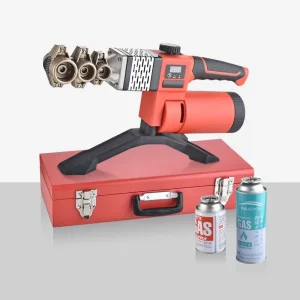
For off-grid civil infrastructure projects lacking electrical supply, ODM factories supply gas-powered LPG/Butane PPR fusion welders, eliminating heavy generators on remote jobsites.
Macro Industry Trends Shaping Future PPR Welding Manufacturing
The global thermoplastic pipe tool industry is undergoing rapid technological transition driven by green building standards, jobsite productivity demands, and digitalization. Importers and procurement teams must align with suppliers actively developing modern product lines:
1. Cordless Lithium-Ion Battery Fusion: As brushless motor technology and high-drain battery cells mature, battery-powered PPR socket fusion welders (18V/20V platforms) are gaining market traction. Factories investing in BMS (Battery Management System) thermal protection are positioned to lead the market shift away from corded units.
2. Smart LED & Digital Temperature Display Integration: Basic light indicators are increasingly replaced by high-contrast LCD/LED real-time temperature displays. Digital controllers allow contractors to adjust set-points for alternative thermoplastic materials including PE, PE-RT, and PB pipes requiring lower or higher fusion windows.
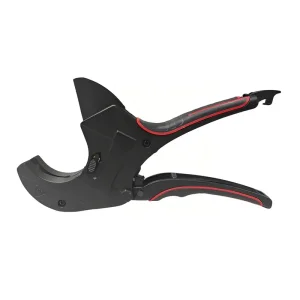
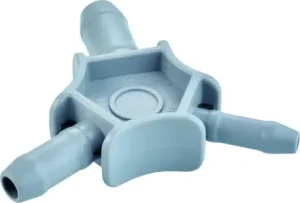
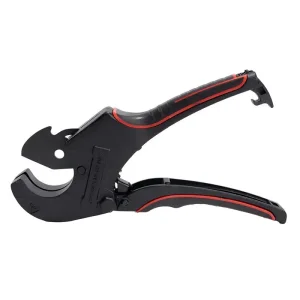
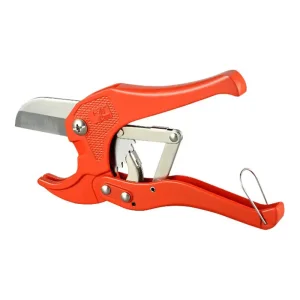
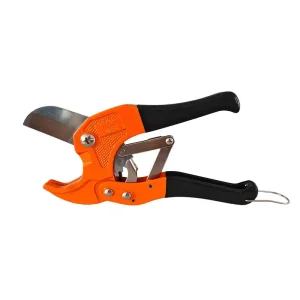
3. Complete System Tool Suites: B2B buyers prefer single-source suppliers capable of delivering unified toolkits containing the fusion machine, ratchet pipe cutters (up to 42mm, 63mm, or 75mm), deburring reamers, 3-in-1 pipe calibrators, and level meters inside a heavy-duty blow-molded or steel toolbox.
Macro Industry Solutions & Localized Application Scenarios
How specialized pipe preparation tools and socket fusion welders solve complex real-world engineering challenges.
Municipal & Residential Potable Water Networks
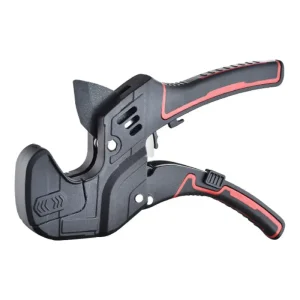
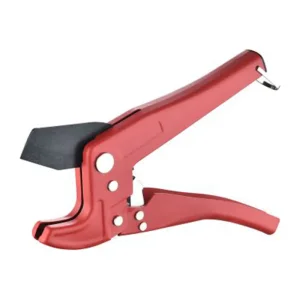
In high-density apartment complexes, hundreds of riser joints must be completed daily. Utilizing dual-element rapid heating PPR welders combined with ratchet 42mm zero-burr pipe cutters reduces cycle time per joint by up to 35% compared to manual saws.
Industrial Chemical & Compressed Air Lines
Aggressive industrial fluids demand flawless joint homogeneity. Precision thermostat-controlled fusion prevents internal bead overhang that creates fluid turbulence and pressure drops in high-velocity chemical distribution pipes.
HVAC Hydronic & Underfloor Radiant Heating
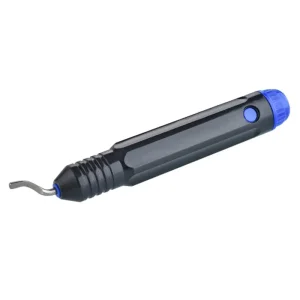
Thin-wall oxygen-barrier PEX-AL-PEX and PE-RT pipes require perfect roundness prior to fitting attachment. Using multi-size 3-in-1 pipe calibrators and M2 HSS deburring tools prevents O-ring damage during fitting insertion, guaranteeing zero micro-leakage.
Solving Jobsite Failures: Root Cause Analysis
Plumbing engineers often encounter joint failure in the field. Below is a diagnostic troubleshooting matrix developed by factory quality engineers to assist contractors:
Scenario A: Joint Cold Separation (Pipe pulls out of fitting easily)
Root Cause: Insufficient heating plate temperature (<240°C), premature insertion, or failure to clean dust/moisture from pipe ends prior to fusion.
Factory Solution: Use digital PID welders with automated LED indicator lights signaling exact heating and changeover intervals.
Scenario B: Internal Bore Blockage (Reduced water flow pressure)
Root Cause: Over-heating (>280°C), excessive push force during insertion, or pushing beyond the recommended insertion depth limit.
Factory Solution: Equip installation kits with pipe depth mark rings and pre-set mechanical stops on welding dies.
Frequently Asked Procurement & Technical Questions
Detailed technical, OEM, and supply chain answers for international tool buyers, sourcing specialists, and brand managers.
High-Efficiency Cutters, Calibrators & Specialty Tools
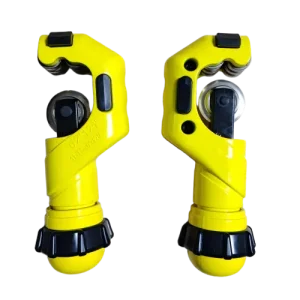
Complete your pipe preparation tool offerings with our specialized ratchet cutters, deburring blades, and multilayer pipe calibrators.