
Featured Pipe Preparation & Fusion Equipment
Direct factory engineering solutions and high-durability plumbing tools for global infrastructure projects.
Macro Supply Chain Dynamics & Global Enterprise Demand
Navigating the shift toward high-reliability thermoplastic jointing in modern civil, industrial, and municipal infrastructure projects.
The global transition from legacy metallic piping systems (cast iron, galvanized steel, copper) toward advanced polyolefin and fluoropolymer materials—specifically Polypropylene Random Copolymer (PPR), High-Density Polyethylene (HDPE/PE100), and Polyvinylidene Fluoride (PVDF)—has fundamentally reshaped fluid dynamics and municipal engineering. At the core of this transition lies the operational criticality of joint integrity. Mechanical threads, solvent cements, and push-fit gaskets exhibit vulnerability to thermal expansion, chemical corrosion, and micro-vibration degradation over a 50-year lifecycle. Consequently, thermal fusion—encompassing socket fusion, butt fusion, and electrofusion—has become the gold standard for zero-leakage fluid transportation.
For international procurement directors, EPC contractors, and OEM brand owners, sourcing from established ODM Pipe Fusion Machine Factories is no longer merely a unit-cost transaction. It represents a strategic risk-mitigation policy. A single joint failure in a high-pressure municipal water network, industrial chemical line, or commercial HVAC riser can incur catastrophic downtime, asset loss, and legal liability. Therefore, enterprise buyers evaluate OEM/ODM manufacturing partners against rigorous technical dimensions: thermal stability control, mechanical pressure constancy, structural heating plate integrity, and compliance with international standards such as ISO 12176-1, DVS 2207, and CE Directives.
Engineering Architecture & Fusion Methodology
A rigorous examination of thermofusion mechanics, thermal dispersion, and metallurgical heating matrix engineering.
1. Socket Fusion Dynamics (PPR & Small-Bore HDPE)
Socket fusion involves simultaneously heating the outer wall of a thermoplastic pipe and the inner socket of a fitting using male and female PTFE-coated heating bushes. When both components reach the viscous-flow state (typically 260°C ± 10°C for PPR), they are joined under manual or mechanical force without twisting. The polymer chains interdiffuse across the interface, creating a homogeneous structural wall upon cooling.
2. Butt Fusion Engineering (Medium to Large-Bore HDPE & PE100)
For pipes exceeding 63mm up to 1200mm+, butt fusion aligns pipe ends in a rigid hydraulic chassis. A dual-faced rotating planer trims the faces perpendicular to the centerline, followed by insertion of a flat heating plate. The process relies on strict control of four key parameters: Bead-up Pressure, Heat Soak Time, Dwell/Dwell-out Time, and Cooling Pressure Curve as governed by DVS 2207-1 regulations.
3. Off-Grid Innovation: Cordless Gas-Powered Thermofusion
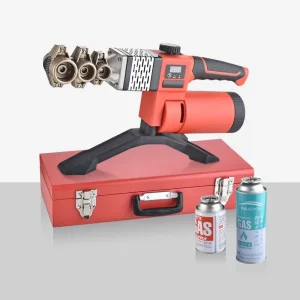
A major technical bottleneck in remote pipeline construction is the reliance on heavy, unstable diesel generators to supply electricity for electrical fusion plates. Leading ODM factories have engineered internal combustion or specialized butane/LPG gas-fueled micro-combustion fusion welders. Utilizing catalytic heat exchange plates and heat-pipe thermal conductors, these unit types maintain stable socket welding temperatures without requiring grid electricity or battery packs, enabling continuous operation in rugged terrain.
| Fusion Process | Applicable Materials | Typical Size Range | Thermal Control Mechanism | Key Standard Compliance |
|---|---|---|---|---|
| Socket Fusion | PPR, PP-RCT, PE, PB | 20mm – 125mm | PID Digital / Analog Thermostat (260°C) | DVS 2208, ISO 15874 |
| Hydraulic Butt Fusion | HDPE (PE80/PE100), PVDF | 63mm – 1200mm+ | Microprocessor-Controlled Electric Plate | DVS 2207-1, ISO 12176-1 |
| Gas-Powered Socket Fusion | PPR, PE (Field Emergency) | 20mm – 32mm / 63mm | Catalytic Combustion Heat-Pipe Transfer | SGS / CE Safety Directives |
| Electrofusion | HDPE, PP-R (Gas/Water Mains) | 20mm – 630mm | Barcode Voltage & Current Modulation | ISO 12176-2, EN 1555 |
Industrial Sector Integration & Real-World Scenarios
Engineered fusion equipment designed for extreme environments, heavy commercial installation, and critical infrastructure.
Municipal Water & Gas Networks
Municipal water distribution requires strict compliance with potability standards and leak-proof joints under hydrostatic pressures up to PN25. Factory-grade fusion welders ensure uniform thermal fusion, preventing joint separation during ground movement or water hammer events.
HVAC & Radiant Heating Systems
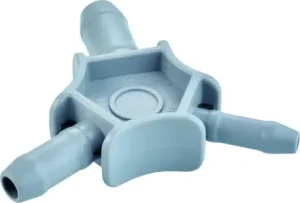
Commercial HVAC risers and radiant floor networks utilize multilayer PEX-AL-PEX and PPR pipes. Combining precision 3-in-1 calibrators with stabilized socket welders eliminates inner aluminum sleeve distortion and ensures 100% full-insertion socket engagement.
Chemical Processing & Mining Slurry
Aggressive industrial acids and abrasive mining slurries destroy metallic pipelines. Thermofused PVDF and heavy-wall HDPE lines resist chemical attack. Custom ODM machinery provides high-pressure clamping to prevent slippage during fusion of thick-walled pipes.
Auditing OEM/ODM Factories & Global Compliance Framework
Key parameters for qualifying manufacturing partners, testing methodologies, and international certification standards.
When selecting an ODM Pipe Fusion Machine Factory, global procurement teams must audit beyond basic manufacturing capacity. A mature OEM partner operates a comprehensive Quality Management System (QMS) aligned with ISO 9001:2015, incorporating rigorous incoming raw material inspection, precise CNC machining of heating plates, and 100% automated electrical safety and thermal stability testing prior to packaging.
Critical Factory Qualification Metrics:
- PTFE Coating Quality & Density: Premium heating sockets utilize multi-layer Daikin or DuPont PTFE coatings. This prevents molten resin adhesion, ensures clean tool release, and resists thermal degradation over thousands of operational cycles.
- Heating Plate Thermal Uniformity: Inferior welders exhibit thermal cold spots exceeding 15°C across the heating face, causing incomplete polymer melting and micro-voids. Qualified ODM plants utilize cast-aluminum heating elements with embedded nickel-chromium heating coils, guaranteeing surface variance within ±2.5°C.
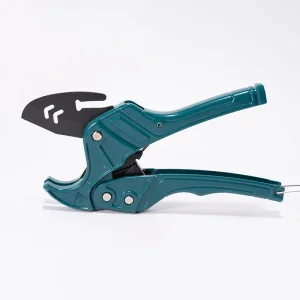
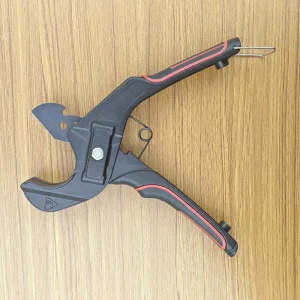
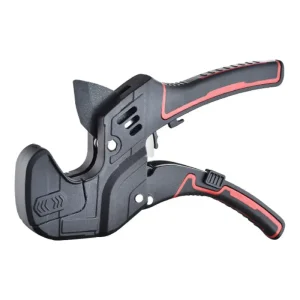
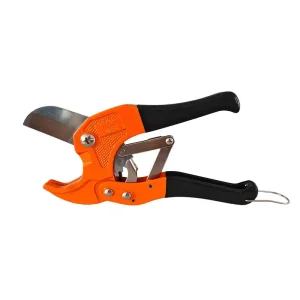
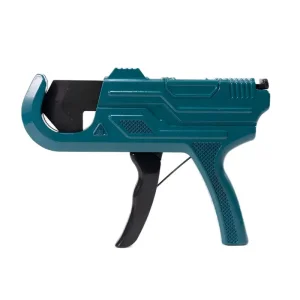
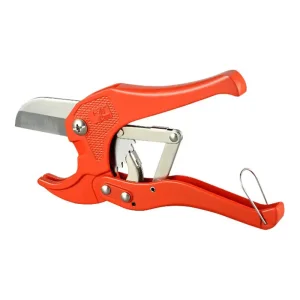
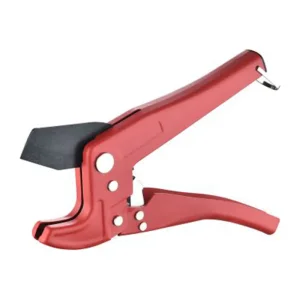
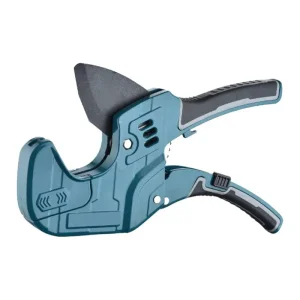
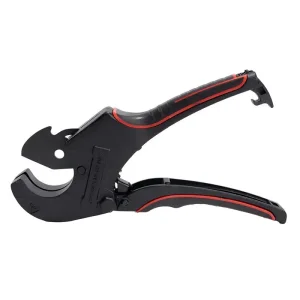
- Mechanical Strength & Die-Cast Chassis: Frame alignment is crucial. Ratchet cutters and fusion clamp bodies must utilize high-grade A380 aluminum alloy or reinforced structural steel to resist high torsional loads without jaw deflection.
Electrical Safety Compliance
Full CE, RoHS, and REACH verification. Insulation testing up to 1500V guarantees field operator safety under damp jobsite conditions.
Destructive Tensile Testing
Batch-level tensile coupon testing ensures fusion joint strength exceeds the yield strength of the parent pipe material.
Private-Label Customization
Complete ODM capabilities: custom housing molds, branded digital displays, ergonomic handle colors, and tailored blow-mold case packaging.
Technology Roadmap & Next-Generation Outlook (2025–2035)
Anticipating industry demands: Smart cloud connectivity, automated joint logging, and eco-efficient heating technologies.
IoT & Cloud Quality Logging
Next-gen ODM fusion welders integrate Bluetooth and GPS data-loggers. Real-time recording of heating temp, clamp pressure, and cooling duration is uploaded directly to municipal quality control dashboards, creating unalterable digital twin records for every joint.
Induction & Fast-Heat Elements
Transitioning from resistance wire heaters to high-frequency induction heating matrices reduces pre-heat time from 10 minutes to under 90 seconds, dramatically increasing daily joint output for high-volume mechanical contractors.
Advanced Fluoropolymer Joining
As semiconductor fabrication and pharmaceutical manufacturing expand, demand for ultra-pure PVDF and PFA piping increases. ODM factories are engineering non-contact infrared (IR) fusion welders to prevent tool-face contamination.
Frequently Asked Questions by Global Procurement Teams
Direct technical answers regarding factory capabilities, tool customization, and joint failure prevention.
What is the core difference between OEM and ODM services for pipe fusion equipment?
OEM (Original Equipment Manufacturer) involves manufacturing pipe tools strictly according to the client's provided blueprints and branding. ODM (Original Design Manufacturer) leverages the factory's internal R&D team to design, engineer, and certify custom fusion machines or cutters tailored to the client's performance requirements, market regulations, and target price points.
Why is PID temperature control critical on PPR pipe welding machines?
Simple bimetallic thermostats suffer from wide temperature swings (up to ±20°C). If PPR is heated below 250°C, polymer chain interdiffusion is incomplete, causing joint cold-welds. If heated above 280°C, the polyolefin resin degrades, causing thermal wall collapse and bore restriction. PID micro-controllers hold target temperature within ±1.5°C, ensuring optimal melt viscosity.
How do gas-powered PPR welders compare to battery or electric units in remote sites?
Battery-powered welders carry high weight-to-energy ratios and limited duty cycles (often requiring multiple expensive lithium packs for a full workday). Gasoline/gas-powered units offer continuous off-grid operation, rapid thermal startup, and complete independence from heavy generators, making them ideal for rural water projects and trench repairs.
What blade material provides the cleanest cut on heavy-wall PVC and PEX pipes?
Professional pipe cutters utilize high-carbon Stainless Steel or M2 High-Speed Steel (HSS) with specialized V-shaped or curved geometry. Precision vacuum heat treatment achieves a hardness rating of HRC 54–58, preventing blade edge chipping and minimizing pipe ovality during ratchet cuts.
What certification documentation is required for importing fusion welders into Europe and North America?
For European entry, equipment requires CE marking covering the Low Voltage Directive (LVD) and Electromagnetic Compatibility (EMC), alongside RoHS/REACH material compliance. For North America, electrical welders must comply with UL/CSA standards, while gas units require safety certification under applicable gas appliance directives.
How do 3-in-1 pipe calibrators prevent press-fitting leaks on multilayer PEX-AL-PEX systems?
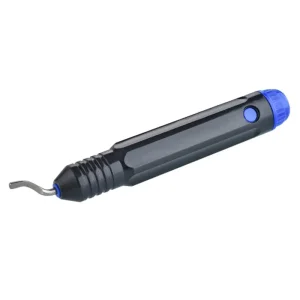
Cutting multilayer pipe often deforms the soft aluminum core into an oval shape and leaves jagged plastic burrs. A 3-in-1 calibrator simultaneously re-rounds the pipe end, creates an internal chamfer angle, and cleans burrs. This prevents the sharp pipe edge from tearing the internal EPDM O-rings when pushing into press or compression fittings.
Factory Direct Pipe Installation Equipment & Accessories
Explore our complete ODM catalog designed for high-frequency plumbing and industrial pipeline installation.
Partner with a Premier ODM Pipe Fusion Machine Factory
From custom socket die development to certified digital fusion systems, our engineering team provides full end-to-end ODM manufacturing for international tool brands and procurement groups.