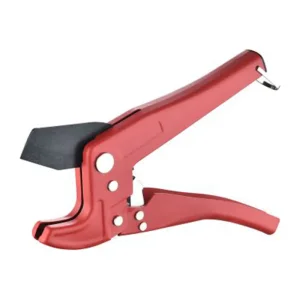
Featured Precision Socket Fusion & Pipe Preparation Tools
Factory-direct, certified plumbing and fusion kits engineered for PPR, PE, PEX, and metallic pipeline installations.
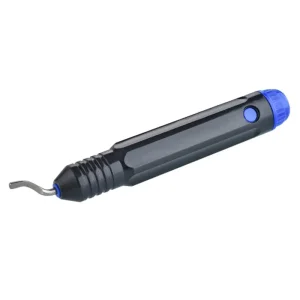
China M2 HSS Deburring Tool DT-001 for Metal & Plastic Pipes - Quality China Suppliers & Factory Manufacturers, Manufacturer
View Specs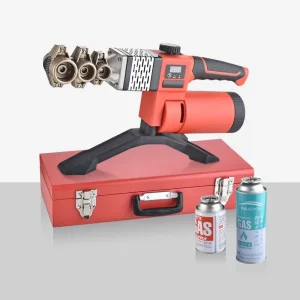
OEM 1.4KW Gas-Powered PPR Fusion Welder for 20-32mm Pipes - China Suppliers & Factory - Cordless Solution Manufacturer, Factories
View Specs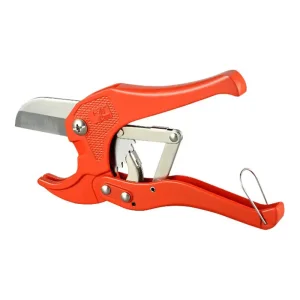
ODM 42mm Manual Plastic Pipe Cutter for PVC, PPR & PEX - China Suppliers, Durable Factory Model JC-PC-001 Manufacturers, Factories
View Specs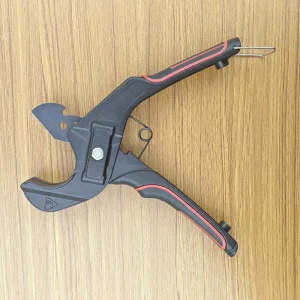
ODM China's Professional 36mm Precision PEX Pipe Cutter – Reliable Suppliers from a Leading Factory Suppliers, Factories
View Specs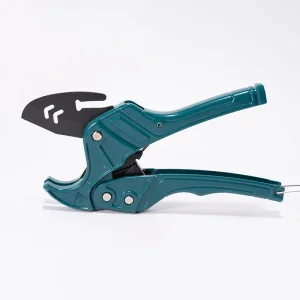
Wholesale 42mm Ratchet Plastic Pipe Cutter - Model 42922 | China Suppliers & Factory for PVC, PPR, PEX Supplier, Factory
View Specs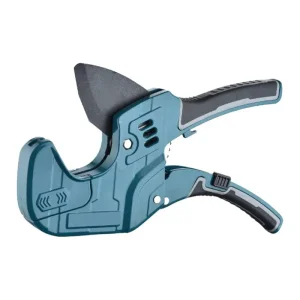
China Heavy-Duty Adjustable PVC Pipe Cutter 50mm/63mm - China Suppliers Factory Model JC-PC-22 Supplier, Manufacturers
View Specs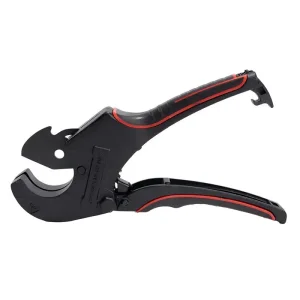
OEM High-Efficiency 42mm Ratchet PVC Pipe Cutter - Leading China Suppliers & Factory for Rapid Construction Manufacturers, Factory
View Specs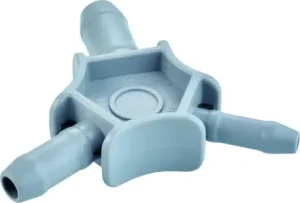
OEM China Suppliers 3-in-1 Pipe Calibrator for PEX-AL-PEX Systems - Factory Price, Precision Calibration Tool Factories, Factory
View SpecsExecutive Summary: The Evolution of Socket Fusion Tool Engineering in China
Thermoplastic piping infrastructure—specifically utilizing Polypropylene Random Copolymer (PPR), High-Density Polyethylene (HDPE), and Polybutene-1 (PB)—has revolutionized global fluid transport across residential, industrial municipal, and agricultural applications. Central to the mechanical integrity of these permanent installations is the socket fusion welding process. A socket fusion tool kit is not merely a heating element; it is a calibrated thermodynamic system that melts the outer surface of a pipe end and the internal surface of a fitting socket simultaneously under strictly regulated thermal parameters.
China has emerged as the premier manufacturing epicenter for professional-grade socket fusion tool kits, combining metallurgical innovation, precision tooling, and complete supply chain integration. Leading China socket fusion tool kit factories have transitioned from basic contract assembling to sophisticated Original Equipment Manufacturing (OEM) and Original Design Manufacturing (ODM) powerhouses. Modern production lines in clusters such as Yuyao, Zhejiang, incorporate micro-processor PID temperature controllers, Japanese Daikin Teflon matrix die coatings, and automated die-casting aluminum heating plates capable of maintaining spatial temperature uniformity within ±1°C.
This technical whitepaper outlines the architectural engineering, manufacturing dynamics, quality assurance standards, and procurement strategies essential for global B2B buyers seeking high-gain supply partnerships with Chinese socket fusion kit manufacturers.
Technical Physics: Socket Fusion Thermodynamics & Matrix Tooling
To achieve a homogeneous molecular bond between a polymer pipe and fitting, socket fusion equipment must adhere strictly to international standards such as DVS 2207-1. The process requires precise energy input to transition the semi-crystalline polymer structure into a melt state without inducing thermal degradation or structural oxidation.
Dual Microprocessor PID Control
Prevents thermal runaway. Maintains setpoint temperatures (typically 260°C for PPR) across wide ambient working ranges from -5°C to +45°C.
PTFE Matrix Surface Coating
High-grade Japanese Daikin PTFE fluoropolymer coating on heating sockets prevents molten polymer adhesion and ensures zero-resistance extraction.
Die-Cast Aluminum Heat Plate
High-density ADC12 aluminum matrix ensures rapid thermal ramp times (< 3 minutes) and eliminates localized cold spots across die pairs.
Information Gain Metric: High-tier Chinese manufacturers now utilize dual-element heating cores (e.g., 800W + 800W switches) combined with structural thermal barriers made of high-temperature polyphenylene sulfide (PPS). This prevents heat transfer into the operator handle while ensuring rapid recovery times during continuous production welding.
DVS 2207-1 Standard Heat Soak & Alignment Time Parameters
| Outer Diameter (mm) | Heating Depth (mm) | Heat-up Time (s) [SDR 6 / 7.4 / 11] | Processing Time (s) [Max Joining] | Cooling Time (min) [Fixed Joint] |
|---|---|---|---|---|
| 20 mm | 14.0 mm | 5 seconds | 4 seconds | 2 minutes |
| 25 mm | 15.0 mm | 7 seconds | 4 seconds | 2 minutes |
| 32 mm | 16.5 mm | 8 seconds | 6 seconds | 4 minutes |
| 40 mm | 18.0 mm | 12 seconds | 6 seconds | 4 minutes |
| 50 mm | 20.0 mm | 18 seconds | 6 seconds | 4 minutes |
| 63 mm | 24.0 mm | 24 seconds | 8 seconds | 6 minutes |
China Socket Fusion Supply Chain Advantages & Regional Clusters
Global tool brands, hardware importers, and MEP contracting conglomerates source socket fusion tool kits from China due to unparalleled Bill-of-Materials (BOM) efficiency, advanced manufacturing infrastructure, and specialized regional industrial clusters.
1. Yuyao & Ningbo Tool Manufacturing Hardware Clusters
Located in Zhejiang Province, the Yuyao/Ningbo hardware belt hosts a complete ecosystem dedicated to plumbing equipment, pipe preparation tools, and electro-thermal appliances. Raw aluminum ingot die-casting, CNC surface grinding, surface PTFE spraying, ceramic heating rod winding, and blow-molded carrying case manufacturing exist within a 30-kilometer radius. This geographic concentration minimizes logisitcal overhead, speeds up rapid prototyping, and guarantees immediate access to components.
2. Vertical Integration & OEM Scale Economies
Leading Chinese factories operate modern automated production line infrastructure:
- Automated CNC Die Machining: Socket heads are turned on multi-axis CNC machines to achieve tight tolerances (±0.02mm), ensuring uniform friction fit against international pipe SDR standards.
- Electrostatic Teflon Coating Chambers: Multi-layer fluoropolymer application systems with automated curing ovens prevent peeling, flaking, or premature wear under high-cycle contractor site use.
- In-Line Thermal Calibration: 100% automated infrared thermographic testing of heating plates prior to final packaging guarantees zero DOA (Dead On Arrival) units.
OEM Branding & Customization
Private label capabilities including customized steel carrying cases, ergonomic handle dipping colors, laser-etched branding, and customized voltage configurations (110V US, 230V EU, 110V/230V dual capacity).
Turnkey Kit Bundling
Factories provide full installation kits complete with ratchet pipe cutters, HSS deburring tools, spirit levels, Teflon tape, work gloves, and multi-size socket pairs (20mm, 25mm, 32mm, 40mm, 50mm, 63mm).
Global Procurement Matrix: Sourcing Specifications for B2B Importers
When qualifying a China socket fusion tool kit factory, professional procurement teams must evaluate operational criteria beyond unit FOB pricing. Ensuring long-term product durability, field safety, and regional retail readiness requires rigorous technical audit protocols.
Key Procurement Technical Criteria
- Electrical Insulation & Dielectric Strength: Heating units must withstand high voltage dielectric tests (> 1500V/1 min without breakdown) to ensure site operator safety under humid trench conditions.
- Thermal Control Topology: Procurement buyers should specify electronic digital controllers with LCD readouts for premium contractor lines, or heavy-duty mechanical thermostats with dual silver-contact switches for budget DIY retail lines.
- Heating Element Wattage Sizing: Verify wattage density against socket capacity. Standard configurations:
- 20mm - 32mm kits: 800W - 1000W
- 20mm - 63mm kits: 1500W - 2000W
- 75mm - 110mm kits: 2000W - 2500W
- Supply Cord Rubber Insulation: Power cords must feature high-grade H07RN-F rubber jacketing resistant to jobsite abrasion, oil exposure, and contact with the heated plate.
Factory Audit Benchmark: Qualified suppliers should demonstrate internal testing protocols for thermal stability under drop testing (1.2m impact resistance), socket coating scratch-resistance (ASTM D3359 cross-hatch tape test), and continuous 1000-hour burn-in endurance tests.
Regulatory Compliance, Safety Certifications & Localized Support
Cross-border distribution of electro-thermal tools requires comprehensive compliance with international market regulations. Leading Chinese socket fusion exporters maintain updated certification frameworks to simplify customs clearance and prevent retailer liability.
European Market (CE / Low Voltage Directive / EMC)
Compliance with EN 60335-1 and EN 60335-2-45 standardizing safety for hand-held heating tools. Mandatory RoHS and REACH environmental testing for heavy metals and plasticizers in rubber grips.
North American Market (UL / CSA / ETL Listed)
Safety listing adhering to UL 499 for electric heating appliances. Requires 110V/120V US standard NEMA 5-15 ground plugs and customized Fahrenheit (℉) calibrated digital displays.
Latin America & Middle East (IEC / SASO / INMETRO)
Country-specific voltage safety compliance, SASO CoC certificates for Saudi Arabia, and specialized plug adapters (e.g., Type G UK plug, South American Type N).
After-Sales & Localized Spare Parts Logistics
To support commercial warranties offered by global tool brands, top-tier factories supply 1-2% wear-and-tear spare parts with every bulk container order. Standard spare kits include replacement ceramic heating elements, thermostatic micro-switches, thermistors, replacement Teflon socket die pairs, and replacement socket fixing bolts.
Localized Application Scenarios & Jobsite Engineering Practices
Socket fusion welding performance varies depending on environmental conditions, pipe chemical composition, and jobsite space constraints. Understanding localized field applications allows tool manufacturers to refine physical kit designs.
In-Wall Residential PPR Plumbing
Requires lightweight, compact 20-32mm fusion tools with narrow heating plates capable of operating inside tight wall chases, floor channels, and drop ceiling spaces without scorching adjacent timber or drywall.
Industrial HVAC & Chilled Water Lines
Utilizes large-diameter PPR-CT or HDPE pipe (50mm - 110mm). Demands heavy-duty floor-stand mounted fusion tools or bench-top alignment frames to ensure straight linear insertion without axial twisting.
Off-Grid Utility & Agricultural Trenching
Remote jobsites without generator availability rely on gas-powered portable socket fusion welders (utilizing LPG/butane cartridges) to execute field repairs on irrigation lines and rural municipal feeds.
Industry Trends: Smart Digitalization & Cordless Gas Fusion Solutions
The socket fusion tool industry is undergoing a significant transformation driven by contractor demand for portability, weld data traceability, and energy efficiency. Chinese R&D centers are pioneering several key technological innovations:
1. Gas-Powered & Cordless Fusion Architecture
Traditionally, socket fusion required mains electricity or heavy diesel generators. The development of direct flame-to-heat-pipe gas fusion welders powered by standard butane canisters allows plumbers to achieve precise 260°C plate temperatures in remote locations, basements, or unpowered new building sites. Catalytic infrared burner plates ensure zero flame exposure to the pipe while delivering consistent thermofusion performance.
2. Microprocessor Smart Weld Counters & Bluetooth Data Logging
Commercial building codes increasingly demand proof of proper joint execution. Next-generation smart socket fusion tools feature integrated micro-controllers that automatically track:
- Exact heating time countdowns with audible buzzers (eliminating contractor guesswork).
- Soak cycle tracking and real-time plate temperature drop recording.
- Bluetooth data export to iOS/Android site quality audit applications.
3. Nanocomposite Die Head Coatings
Advancements in surface chemistry have led to plasma-applied ceramic-PTFE composite die coatings. These nanocomposites exhibit 3x greater abrasion resistance than traditional dual-layer Teflon, withstanding accidental drops onto gravel or concrete without scratching the non-stick surface.
Frequently Asked Questions (FAQ)
Detailed technical and operational answers for plumbing tool buyers, importers, and project engineers.
What is the standard heating temperature for PPR socket fusion, and how do Chinese factory kits maintain accuracy?
The standard welding temperature for Polypropylene Random Copolymer (PPR) is 260°C (500°F). Leading Chinese factories utilize digital PID (Proportional-Integral-Derivative) microprocessor circuits coupled with high-sensitivity thermistors embedded directly inside the aluminum heating plate. This holds temperature fluctuation within ±1°C to ±3°C, ensuring the polymer achieves proper melt viscosity without thermal degradation.
Why is Daikin PTFE coating superior for socket fusion die heads?
Japanese Daikin PTFE (Polytetrafluoroethylene) offers superior heat resistance (up to 300°C continuous), higher density matrix adhesion, and lower friction coefficients compared to generic Teflon coatings. This prevents molten PPR or HDPE plastic from sticking to the socket pair during extraction, preventing joint contamination, smoke, and drag marks.
What OEM customization options do Chinese socket fusion factories provide for B2B brands?
Factories provide comprehensive OEM services including custom metal case colors, molded plastic case logos, screen-printed or laser-etched branding on the heating body, customized rubber handle dipping shades, bespoke socket sizing (e.g., Imperial CTS sizes vs. Metric mm), specialized voltage/plug types, and customized instruction manuals.
What is the difference between single-heating and dual-heating element socket fusion kits?
Single-heating units operate on a single circuit (e.g., 800W), ideal for small domestic installations up to 32mm. Dual-heating element tools feature two independently switched heating circuits (e.g., 750W + 750W = 1500W total). Plumbers can engage both switches for rapid heat-up or large diameter pipes (up to 63mm), then switch off one element to save energy during continuous maintenance welding.
How do gas-powered PPR fusion welders work in off-grid field conditions?
Gas-powered fusion welders use portable butane or LPG gas canisters. The gas combusts within an enclosed catalytic micro-burner matrix beneath the aluminum heating plate. Internal mechanical heat regulators automatically control gas flow to maintain the plate at 260°C without requiring electricity, batteries, or noisy generators.
What quality certifications should importers look for when sourcing fusion tools from China?
For European distribution, verify CE, RoHS, REACH, and LVD compliance certificates. For North America, look for ETL or UL recognition. The factory itself should operate under an ISO 9001 certified Quality Management System, guaranteeing raw material inspection, dielectric safety testing, and batch traceability.
Complete Pipe Cutting, Calibration & Deburring Lineup
Essential pipeline preparation and finishing machinery sourced directly from top OEM production lines.
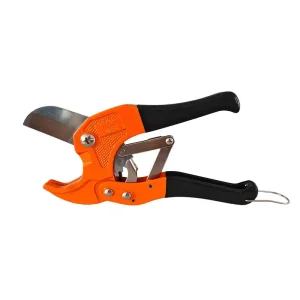
OEM Professional 42mm PVC Pipe Cutter with Anti-Slip Dipping Handle - China Suppliers and Factory Quality Tool Supplier, Factory
View Specs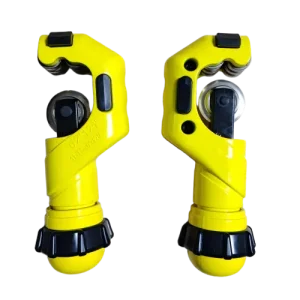
Wholesale Heavy-Duty 1.25-inch Copper Tube Cutter | China Suppliers & Factory for Professional Plumbing Tools Suppliers, Factory
View Specs
OEM M2 HSS Deburring Tool DT-001 for Metal & Plastic Pipes - China Factory Suppliers for Professional Finishing Suppliers, Factory
View Specs
China China Suppliers Factory Direct: 1.4KW Gas Powered PPR Fusion Welder for 20-32mm Pipes Factories, Factory
View Specs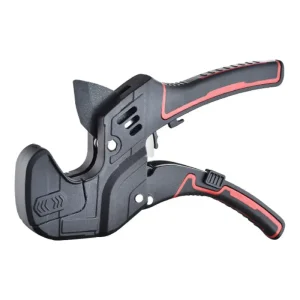
China Heavy-Duty Adjustable PVC Pipe Cutter for Professionals - China Suppliers and Factory Model JC-PC-22 Supplier, Manufacturers
View Specs
ODM China Suppliers: 36mm Precision PEX Pipe Cutter from Factory - Eliminate Installation Failures in Tight Spaces Supplier, Factories
View Specs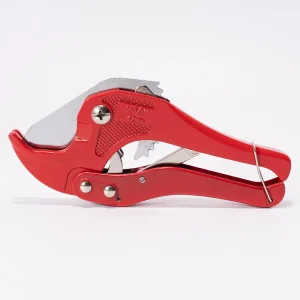
ODM Heavy-Duty 42mm Aluminum PVC Pipe Cutter from China Suppliers - Precision Factory Tool for Professionals Supplier, Factory
View Specs