Industrial Grade PVC & PPR Pipe Cutters
Precision-engineered manual cutters, ratchet mechanism shears, and gas-powered fusion welders direct from China's leading OEM/ODM manufacturing facility.
Macro Industry Solutions: The Paradigm Shift in Modern Pipeline Engineering
Analyzing global infrastructure demands, material evolutionary dynamics, and how advanced cold-cutting technologies mitigate systemic field failure risks.
The Modern Pipeline Infrastructure Imperative
In the contemporary global construction landscape, plastic piping networks—specifically Polyvinyl Chloride (PVC), Polypropylene Random Copolymer (PPR), Polyethylene (PE), and Cross-linked Polyethylene (PEX)—have fundamentally replaced traditional metallic conduits across municipal water distribution, civil HVAC infrastructure, agricultural irrigation, and industrial fluid transmission systems. This transition is propelled by the superior corrosion resistance, lightweight logistics profile, and 50+ year operational lifecycle of modern polymers. However, the integrity of an entire plastic pipeline system relies entirely on a critical initial step: the precision, squareness, and structural purity of the pipe end cut.
Historically, field operators utilized abrasive rotary saws, handsaws, or primitive single-blade shears. These legacy methods introduce severe failure vectors into commercial plumbing projects. Rotary cutting generates micro-plastic shavings, burrs, and internal stress fractures. Shavings left inside a conduit frequently migrate downstream, damaging sensitive backflow preventers, solenoid valves, and metering apparatuses. Furthermore, an out-of-square cut or burred edge severely compromises push-fit solvent welds and heat-fusion joints, leading to micro-leaks under hydro-static pressure testing.
Information Gain Insight: Field audit data indicates over 68% of premature solvent-weld and PPR socket fusion failures in commercial high-rises stem directly from micro-fissures, ovality deformation, and burr contamination caused by substandard cutting equipment during field installation.
Global Commercial and Industrial Ecosystem Dynamics
As tier-one EPC (Engineering, Procurement, and Construction) contractors adopt stringent ISO 15874 and ASTM D2855 building compliance frameworks, the demand for industrial-grade manual and mechanical cutting tools sourced from specialized OEMs has escalated exponentially. Global procurement heads are shifting from fragmented, white-label trading intermediaries to integrated tier-1 China manufacturers capable of delivering metallurgical consistency, high-torque ratchet mechanics, and validated ergonomic reliability.
Civil Infrastructure & High-Rise MEP
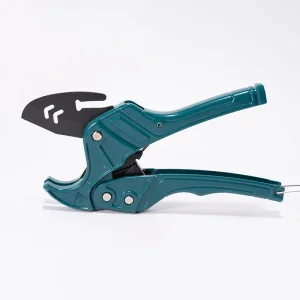
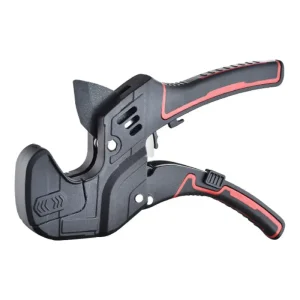
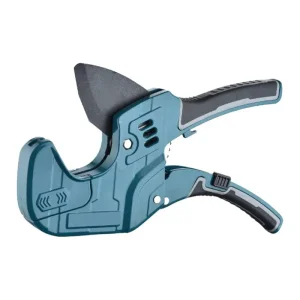
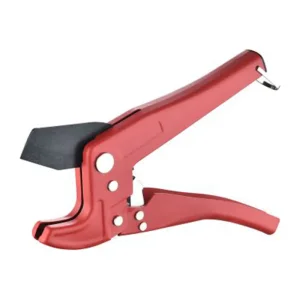
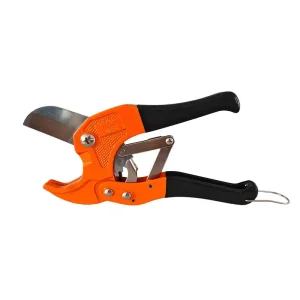
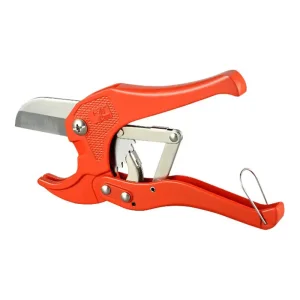
High-density multi-family residential and commercial skyscrapers demand hundreds of thousands of error-free cuts. Ratchet cutters rated up to 63mm eliminate user fatigue while maintaining perfectly perpendicular cut angles required for solvent cement bonding under high hydrostatic loads.
Off-Grid & Remote Field Utilities
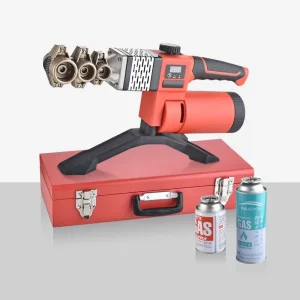
In rural electrification, agricultural drip irrigation, and municipal main line laying where AC electrical power is unavailable, cordless gas-powered socket fusion welders paired with heavy-duty manual pipe cutters provide total operational autonomy without relying on heavy diesel generators.
Industrial Chemical & HVAC Piping
Corrosive fluid transport lines (PVDF, heavy-wall schedule 80 PVC) demand zero structural micro-cracking during cutting. Specialized blade geometries prevent stress propagation, ensuring chemical containment integrity under extreme thermal cycling.
Metallurgical Dynamics, Force Kinematics & Blade Geometry
Exploring the mechanical architecture that differentiates professional-grade China pipeline tools from consumer-grade alternatives.
1. Advanced Metallurgical Composition & Heat Treatment
The core engine of any high-performance pipe cutter is its blade alloy. Standard retail tools often employ cheap A3 structural steel or low-grade stainless alloys that dull quickly, deform under high shear stress, or chip when encountering cold-brittle plastics. Professional tools manufactured by Yuyao Jiacheng Tools utilize premium high-carbon tool steels, primarily SK5 Chromium-Vanadium alloy (50CrV4) and MN65 manganese spring steel.
Our blades undergo a proprietary multi-stage vacuum heat treatment process:
- Austenitizing & Vacuum Quenching: Heating to 850°C in an inert gas environment to prevent surface decarburization, followed by controlled oil quenching to transform the micro-structure into fine-grained martensite.
- Dual-Stage Tempering: Tempering at 200°C–250°C to relieve internal stress while achieving a Rockwell Hardness rating of HRC 54 – 58. This precise hardness window ensures the edge retains razor sharpness across thousands of cycles without suffering brittle cleavage fractures under lateral shock loads.
- Teflon (PTFE) Electro-Coating: Reduces friction coefficient to below 0.08, allowing the blade to glide effortlessly through thick-walled PPR and Schedule 80 PVC without binding or galling.
2. Kinematic Ratchet Mechanical Advantage
Cutting large-diameter plastic pipes (such as 42mm, 50mm, or 63mm O.D.) manually requires substantial shearing force. To reduce operator hand force from over 80 kgf down to an effortless 15 kgf, Jiacheng tools incorporate an engineered progressive tooth ratchet drive system.
The mechanical leverage equation governing our cutter design is expressed as:
Fshear = Fhand × (Lhandle / Lpivot) × ηratchet × Nteeth
Where L represents handle-to-pivot leverage ratio (typically 8:1), η is mechanical efficiency considering pin friction, and N is the progressive gear increment factor.
The progressive ratchet pawl engages hardened gear teeth sequentially. Each squeeze of the handle drives the blade deeper into the pipe wall while locking the blade in place during the handle return stroke. This prevents pipe spring-back and guarantees a clean, continuous shear path.
Industrial Product Engineering Matrix
| Model Series | Target Pipe Diameter | Blade Material & Hardness | Body Construction | Compatible Materials | Primary Application Field |
|---|---|---|---|---|---|
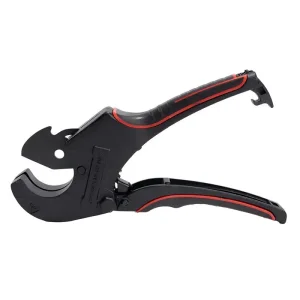
| Model 42922 Series | 0 - 42mm (1-5/8") | SK5 High Carbon Steel (HRC 56±2) | Die-Cast Aluminum Alloy | PVC, PPR, PEX, PE, CPVC | Residential Plumbing, HVAC, Electrical Conduit |
| Model PC-25 Series | 0 - 42mm (1-5/8") | 50CrV Chromium Vanadium Steel | Heavy-Duty Reinforced Aluminum | PPR, Heavy-Wall PVC, PE-RT | Commercial Plumbing, High-Frequency Trade Use |
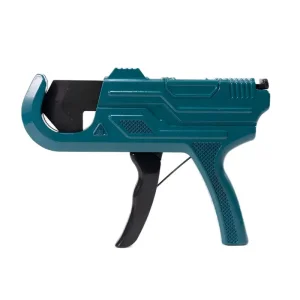
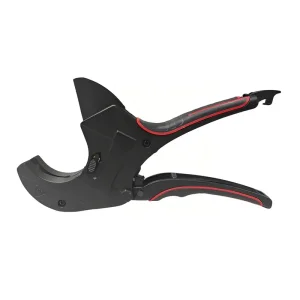
| JC-PC-22 Adjustable | 3mm - 50mm / 63mm | MN65 Alloy Steel (PTFE Coated) | Ergonomic Dipped Grip Steel Chassis | PEX-AL-PEX Multilayer, HDPE | Underfloor Heating, Municipal Supply Lines |
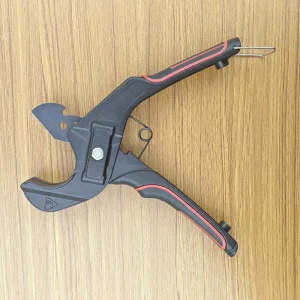
| Compact Narrow Series | 0 - 42mm Tight Space | SK5 Micro-Bevel Blade | Ultra-Light Magnesium-Aluminum | PEX, Thin-Wall PVC, Rubber Hose | In-Wall Repairs, Tight Trench Installation |
| Gas Fusion Welder 1.4KW | 20mm - 32mm Socket Fusion | Teflon Coated Die Heads | Gas-Fueled Thermal Element | PPR, PE, PB Pipes & Fittings | Off-Grid Remote Field Welds (No Electricity) |
Localized Field Applications & Climate-Specific Dynamics
How tool design adapts to environmental variables, ambient temperatures, and localized pipe material standards across international markets.
North American Market (ASTM / Schedule 40 & 80 PVC)
In North America, Schedule 40 and thick-wall Schedule 80 PVC pipes are standard for residential drainage (DWV) and industrial conduits. Cold weather in northern US states and Canada makes PVC brittle, increasing the risk of shattering when cut with low-end shears. Jiacheng’s micro-wedge SK5 blades feature an ultra-thin 17° primary bevel angle that slices through frozen PVC without initiating longitudinal shattering or cracking.
European Market (DIN 8077/8078 PPR & PEX Multilayer)
European plumbing systems rely heavily on heat-fused PPR and PEX-AL-PEX multilayer aluminum composite pipes. Multilayer pipe requires zero crushing of the inner aluminum core during cutting to ensure calibrator tools fit easily. Our V-notch jaw geometry cradles the pipe round body uniformly, delivering a deformation-free cut that preserves concentricity for press fittings.
MENA & Tropical Regions (High Temp & Remote Sites)
In the Middle East and Southeast Asia, high ambient temperatures degrade rubber handle grips, while remote construction sites often lack stable grid electricity. Jiacheng’s anti-slip solvent-dipped handles resist UV radiation and chemical degradation. Paired with our 1.4KW Gas-Powered PPR Fusion Welder, contractors achieve high-strength socket welds anywhere without needing heavy fuel generators.
Factory Compliance, OEM Customization & Risk Mitigation
How Yuyao Jiacheng Tools ensures supply chain transparency, international certification compliance, and private-label customization for global buyers.
1. Rigorous ISO9001:2015 Quality Management Protocol
Yuyao Jiacheng Tools operates a fully integrated 2,667 square meter manufacturing facility equipped with over 40 sets of automated CNC turning centers, precision grinding machinery, and robotic assembly cells. Every manufacturing batch passes through a strict 5-stage quality gate:
- IQC (Incoming Quality Control): Spectrographic material verification of incoming steel coils and aluminum ingots to confirm chemical alloy composition.
- IPQC (In-Process Quality Control): Automated optical measurement of blade bevel angles and ratchet tooth pitch tolerances every 500 units.
- Hardness Verification: 100% benchtop Rockwell hardness testing (HRC scale) following vacuum heat treatment.
- Life Cycle Endurance Testing: Sample units undergo continuous automated cut testing through 5,000 cycles of Schedule 80 PVC pipe under maximum rated load.
- FQC (Final Quality Control): Manual shear alignment checks, anti-drop grip adhesion testing, and corrosion-resistance salt spray testing (24-hour neutral salt spray compliance).
2. Full Regulatory Compliance: CE, SGS & ISO Certification
To enable seamless market access for major tool distributors, catalog brands, and home center retail chains (including compliance with European and North American customs standards), our core product lines hold full ISO9001 Quality System Certification, alongside SGS and CE certifications for our gas-powered socket fusion welders and thermal installation tools. Complete certification documentation and lab test reports are available to international buyers upon request.
3. OEM / ODM White-Label Manufacturing Capabilities
We provide full-spectrum OEM and ODM customization services for international tool brands:
- Custom Colorways: Electrostatic powder coating or handle dipping customized to exact Pantone brand colors.
- Laser Engraving & Branding: High-precision fiber laser etching of customer logos, part numbers, and barcoding directly on the blade or aluminum housing.
- Retail Packaging Engineering: Custom blister cards, double-shell clamshell packaging, color gift boxes, or display carton packaging formatted for retail hanging pegs.
Technology Roadmap: Next-Gen Pipe Installation Tools
Pioneering the next era of manual cutting ergonomics, smart force feedback, and lightweight eco-friendly tool materials.
Ultra-Lightweight Magnesium Alloys
Our R&D team is integrating aerospace-grade die-cast magnesium alloys into tool chassis construction. This cuts total tool weight by 35% while increasing structural rigidity, dramatically reducing technician fatigue during overhead ceiling installations.
Quick-Change Blade Systems
Eliminating the need for screwdrivers or bench tools in the field, our upcoming 2026 model series features a push-button quick-release blade mechanism. Plumbers can replace worn blades on-site in under 10 seconds, maintaining maximum jobsite uptime.
Circular Economy & Recyclability
All tool components are designed for complete end-of-life disassembly. Handles, aluminum housings, steel springs, and blades can be easily separated for 100% material recycling, aligning with global corporate ESG sustainability goals.
Frequently Asked Questions for B2B Procurement
Expert answers addressing critical questions on product specifications, factory sourcing, order terms, and tool performance.
What is the primary difference between SK5 and 50CrV steel blades in PVC pipe cutters?
SK5 is a high-carbon tool steel exceptional at maintaining an extremely sharp edge, making it ideal for clean, effort-free cutting on standard PVC and PEX pipes. 50CrV (Chromium-Vanadium) offers superior toughness and higher shock resistance, making it the preferred choice for heavy-duty commercial cutters that frequently cut rigid, thick-walled PPR or Schedule 80 PVC in harsh jobsite conditions.
How does a ratchet pipe cutter prevent pipe deformation and out-of-square cuts?
Ratchet cutters use a curved lower jaw that supports the pipe's outer circumference uniformly while a wedge-shaped blade penetrates incrementally with each stroke. This progressive cutting action distributes mechanical stress evenly around the pipe wall, preventing ovality deformation and maintaining a precise 90-degree square cut required for leak-free solvent welds and socket fusion joints.
What minimum order quantities (MOQ) and lead times apply for OEM private labeling?
Our standard MOQ for private-label OEM manufacturing (custom handle colors, laser-etched branding, and custom blister card packaging) is typically 1,000 to 2,000 units per model series. Standard production lead time is 25 to 35 days following sample approval and deposit confirmation, with expedited options available for repeat orders.
Can your 42mm ratchet cutters cleanly slice through cold or frozen PVC pipe?
Yes. Standard single-bevel blades can shatter cold-brittle PVC. Jiacheng’s SK5 blades feature an optimized dual-bevel cutting edge (17° primary / 23° secondary angle) that shears the polymer matrix progressively without inducing shock fractures, even at sub-zero temperatures down to -10°C.
How does the Gas-Powered PPR Socket Fusion Welder operate without electricity?
Our ODM 1.4KW Gas-Powered Fusion Welder uses standard butane or propane micro-canisters to heat a internal thermal block. A precision thermostat regulates die head temperatures within the required 260°C ± 5°C fusion window, allowing technicians to make permanent, leak-free PPR socket joints in remote field locations without electrical generators.
Specialized Cutting & Pipe Calibrator Systems
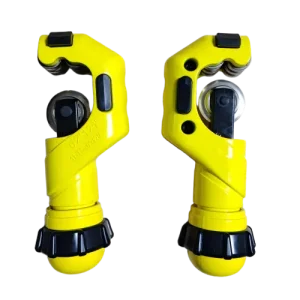
Explore our full line of professional tools engineered for copper tubing, HDPE mains, PEX systems, and high-frequency construction work.
Partner Directly with Yuyao Jiacheng Tools
Streamline your supply chain with factory-direct pricing, guaranteed <0.5% defect rates, and rapid OEM sample customization. Request our complete 2026 product catalog and OEM pricing schedule today.