
Precision Pipe Preparation & Fusion Equipment
Explore our core engineering lineup manufactured under rigorous ISO9001 and CE compliance standards.
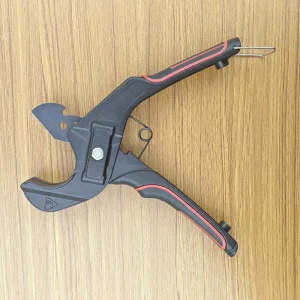
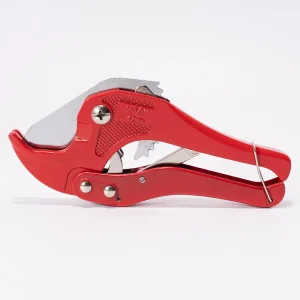
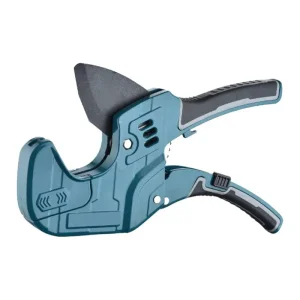
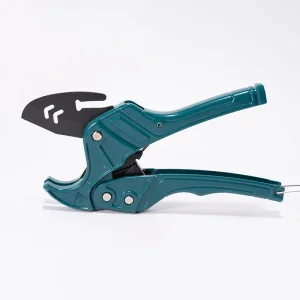
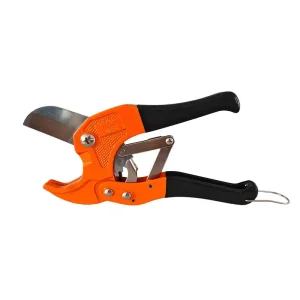
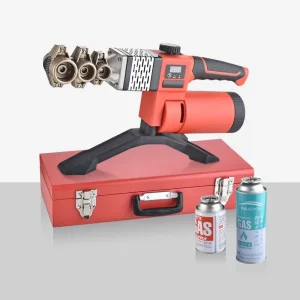
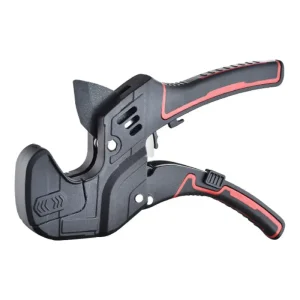
The Evolution of Polypropylene (PP) Pipe Fusion Engineering
In modern industrial fluid transport, municipal civil engineering, and high-efficiency HVAC hydronic systems, Polypropylene (specifically Polypropylene Random Copolymer / PP-R and Polypropylene Block Copolymer / PP-B) has emerged as the premier material for pressure piping networks. However, the operational lifespan and pressure integrity of a PP piping assembly do not depend solely on polymer resin quality; they are intrinsically tied to the thermodynamic quality of the fusion joint. As a leading China PP Pipe Welding Machine Manufacturer & Factory, our engineering paradigm is built on controlling the exact thermomechanical parameters required to achieve homogeneous molecular chain interdiffusion during socket, electrofusion, and butt fusion processes.
Core Engineering Principle: A flawless Polypropylene socket fusion joint requires precise isothermal energy transfer across the pipe wall and fitting socket. Overheating induces thermal degradation of the polyolefin backbone, while underheating yields cold joints prone to shear fatigue under cyclic pressure loading.
Thermodynamics of Polypropylene Fusion & Thermal Memory Management
Polypropylene exhibits a semicrystalline morphology. When heated beyond its melting temperature range (typically 260°C ± 5°C for PP-R according to DVS 2207-1 guidelines), the crystalline spherulites uncoil, allowing the polymer chains to transition into a viscous melt phase. During insertion, the melt pools of the outer pipe wall and inner fitting socket interface under radial compression.
Our research and development division has focused heavily on optimizing microprocessor-controlled heating elements. Traditional fusion machines suffer from hysteresis—temperature overshoots and severe thermal droop when cold pipe sockets draw energy from the matrix heating plate. Modern industrial-grade China PP pipe welding machines feature dual-circuit PID (Proportional-Integral-Derivative) temperature control modules. These modules continuously monitor matrix thermistors at 100Hz sampling frequencies, maintaining a flat ±2°C thermal profile across all heating sockets (from 20mm up to 160mm and beyond).
Global Enterprise Procurement Requirements & Standardization
Analyzing procurement specifications across European, North American, Middle Eastern, and Southeast Asian markets.
DVS 2207-1 & ISO 15874 Compliance
International mechanical contractors mandate strict adherence to German DVS welding parameters. Equipment must deliver repeatable heating times, changeover intervals, and cooling cycles with non-stick PTFE-coated matrix dies compliant with European food-grade contact regulations.
Total Cost of Ownership (TCO) & Durability
High-volume procurement directors prioritize tool uptime. Industrial welders built with die-cast aluminum alloy heating plates, heavy-duty anti-burn silicone cables, and reinforced ergonomic handles reduce field failures and warranty claims by over 65%.
Off-Grid Operational Flexibility
In developing infrastructure sectors or unpowered jobsites, access to stable grid electricity is problematic. Sourcing gas-powered socket fusion welders and high-capacity battery units resolves field bottlenecks without sacrificing joint integrity.
China Industry 4.0: Supply Chain Resilience & Manufacturing Efficiency
The global power tool and plumbing hardware ecosystem has undergone structural centralization. Yuyao, Zhejiang, stands as the global epicenter for precision pipe installation tool manufacturing. As an advanced China PP Pipe Welding Machine Factory, our integrated manufacturing infrastructure balances precision robotics with deep supply chain integration.
1. Vertical Integration from Raw Material to Finished Tool
Unlike assembly-only vendors, our Yuyao facility houses complete upstream production units: high-pressure die-casting for aluminum heating plates, high-precision CNC machining for socket matrix dies, automated PTFE coating lines (utilizing Japanese Daikin fluoropolymer resins), and surface electro-dipping for anti-slip handles. This vertical synergy mitigates global supply chain friction and ensures strict quality control at every phase.
2. Automated Quality Control & Ultrasonic Flaw Detection
Quality assurance is embedded into our production lines through Industry 4.0 IoT sensors. Every heating plate undergoes a multi-point thermal imaging scan prior to packaging to ensure zero heat spots. Socket matrices are measured via 3D coordinate measuring machines (CMM) to verify dimensional tolerances down to ±0.01mm, guaranteeing ideal interference fits between pipe and fitting.
| Engineering Metric | Conventional Market Standard | Our China Industry 4.0 Standard | Operational Impact |
|---|---|---|---|
| Matrix Coating Thickness | 15 – 20 microns PTFE | 30 – 35 microns Daikin PTFE | 3x Wear Resistance, Zero Polymer Sticking |
| Temperature Hysteresis | ±8°C to ±15°C | ±2°C (Digital PID Controller) | Eliminates Cold Joints & Thermal Degradation |
| Insulation Resistance | > 2 MΩ | > 50 MΩ (Double-Insulated Core) | Maximum Electrical Safety on Wet Jobsites |
| Cable Thermal Durability | Standard PVC Outer Sheath | High-Grade Fireproof Silicone Sheath | Prevents Accidental Melt-Through Disruption |
Localized Field Applications & Engineering Solutions
Deploying specialized PP fusion technology across diverse engineering environments.
High-Rise Residential Plumbing
High-frequency installation of PPR hot and cold water risers requires compact, fast-heating 20-63mm socket fusion machines. Lightweight ergonomic frames allow installers to weld overhead and in tight wall chases effortlessly.
Chemical & Industrial Processing Lines
Aggressive fluid transport lines constructed from PP-H (Polypropylene Homopolymer) require absolute zero-leak guarantee. Microprocessor-controlled benchtop fusion units deliver uniform compression during joint formation, avoiding stress concentration zones.
District Heating & HVAC Hydronics
Large-diameter PP-RCT pipes utilized in secondary chilled water loops demand specialized heavy-duty butt fusion or large socket welders capable of delivering precise mechanical axial pressure during the cooling phase.
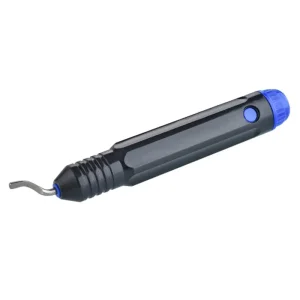
Complete Pipeline System Tooling Range
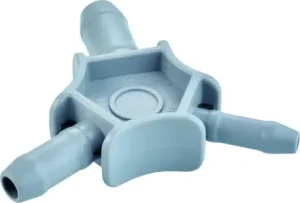
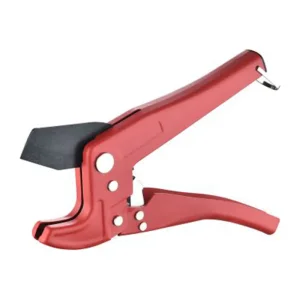
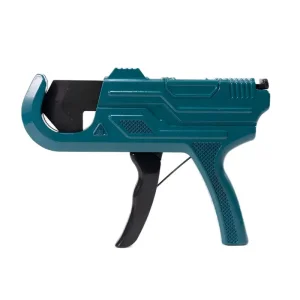
Complementary deburring, calibrating, and specialized welding machinery engineered for professional installers.
Frequently Asked Questions by Global Procurement Teams
Expert engineering answers resolving technical, quality control, and OEM customized sourcing inquiries.