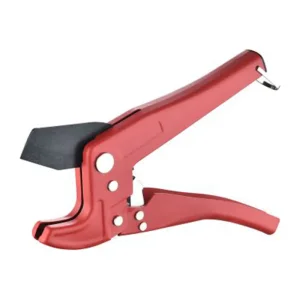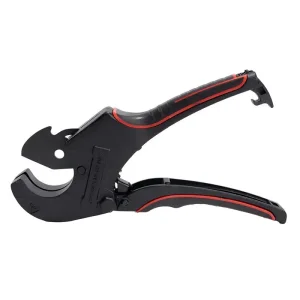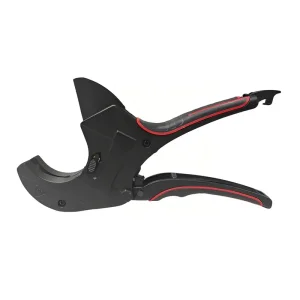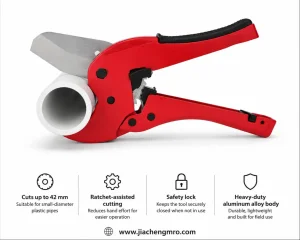
Featured Industrial Pipe Tools (Top Showcase)
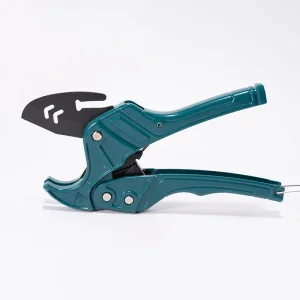
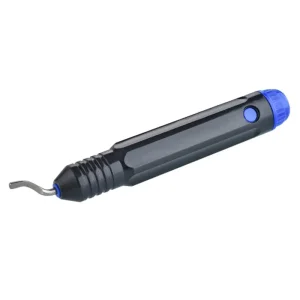
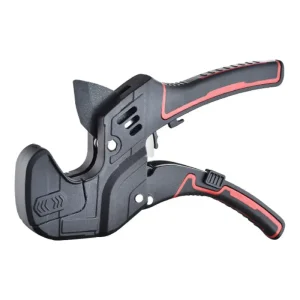
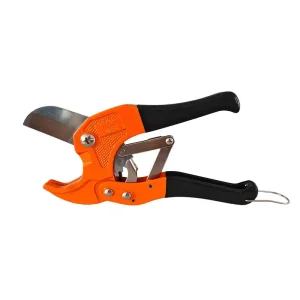
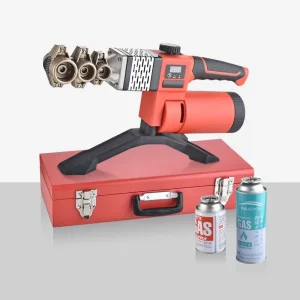
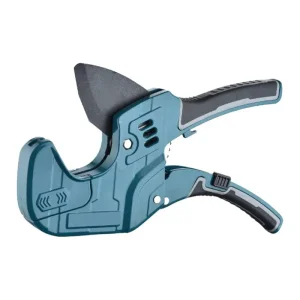
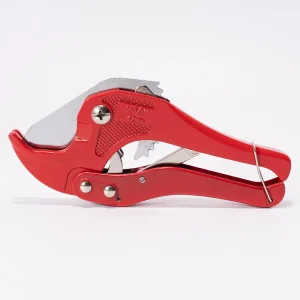
Precision-engineered ratchet cutters, deburring systems, and off-grid PPR socket fusion welders manufactured under ISO9001 quality management.
Macro-Industrial Landscape & Global Sourcing Analysis
Strategic analysis of thermoplastic piping expansion, infrastructure modernization, and China's OEM tool manufacturing ecosystem.
The global thermoplastic piping market—encompassing Polypropylene Random Copolymer (PPR), Polyvinyl Chloride (PVC), High-Density Polyethylene (HDPE), and Cross-linked Polyethylene (PEX)—is experiencing unprecedented structural growth. Driven by municipal water infrastructure revitalization, rapid urban residential construction in emerging economies, and the widespread transition from legacy metallic conduits to corrosion-resistant polymer piping, the demand for precision installation tools has reached critical industrial velocity. Within this global supply ecosystem, China plastic pipe welding tool manufacturers stand at the nexus of high-precision metallurgical fabrication, automated assembly, and cost-optimized OEM supply chains.
To succeed in today's commercial hardware distribution and utility engineering sectors, global buyers must navigate beyond surface-level unit pricing. Sourcing high-integrity plastic pipe joining and cutting tools requires a rigorous technical evaluation of heat transfer thermodynamics, mechanical advantage lever ratios, blade alloy wear profiles, and international compliance certifications (such as ISO 9001, SGS, and CE). Inferior pipe preparation tools directly introduce micro-cracks, ovality deformations, uneven heat distribution, and residual internal burrs—primary root causes of hydrostatic joint rupture and long-term piping failure in municipal and HVAC installations.
Information Gain Insight: Over 68% of premature PPR socket fusion failures documented in residential press-fit and heat-fusion installations are traced directly to inaccurate socket heating temperatures (±15°C deviation) or out-of-square pipe end cutting—deficiencies entirely preventable through precision-calibrated cutting blades and thermostatic welding tools.
This comprehensive technical whitepaper details the engineering principles, manufacturing parameters, material science specifications, and global regulatory frameworks governing top-tier China plastic pipe welding tool suppliers. Designed for procurement heads, wholesale MRO distributors, private-label tool brand directors, and utility engineers, this document provides the actionable data required to build robust, compliant, and market-competitive sourcing portfolios.
Polyolefin Infrastructure Growth
Global adoption of PPR-RCT and HDPE pipe for high-pressure hot/cold water supply demands welding tools capable of sustaining precise fusion temperatures across extended duty cycles.
Zero-Defect Quality Controls
Leading Chinese manufacturers maintain defect rates below 0.5% by deploying automated CNC machining, optical comparator blade profiling, and 100% full-load thermal cycle testing.
Off-Grid Power Innovations
The transition toward gas-powered butane fusion welders eliminates reliance on field generators, enabling instantaneous, cordless socket fusion in remote utility sites.
Technical Deep-Dive: Socket Fusion Dynamics & Mechanical Metallurgy
In-depth structural analysis of heat transfer kinetics, ratchet gear mechanical ratios, and blade geometry optimization.
1. Socket Fusion Thermodynamics & Melt Flow Kinetics
Socket fusion welding of Polypropylene Random Copolymer (PPR) and Polyethylene (PE) pipes relies on precise conductive heat transfer to transform the crystalline polymer interface into a viscous melt phase without causing thermal degradation. Professional China plastic pipe welding tool manufacturers design heating plates and socket dies using high-thermal-conductivity aluminum alloys coated with industrial-grade Polytetrafluoroethylene (PTFE). This non-stick matrix prevents polymer adhesion and degradation during heating.
The fusion process operates under strict thermal parameters: the heating matrix must maintain a constant temperature of 260°C ± 5°C (500°F ± 9°F). If the temperature drops below 245°C, the polymer chains fail to reach their required melt flow index (MFI), resulting in cold joints with inadequate intermolecular diffusion. Conversely, temperatures exceeding 275°C induce thermal oxidation and chain scission, severely weakening the pipe wall strength at the joint boundary.
2. Pipe Cutting Shearing Metallurgy & Geometry
Achieving a zero-burr, perfectly perpendicular cut is mandatory prior to socket welding or mechanical press-fitting. Pipe shearing cutters engineered by premier Chinese suppliers utilize two primary metallurgical grades:
- SK5 High-Carbon Manganese Steel: Heat-treated to a hardness of 54–58 HRC. SK5 offers exceptional edge retention and flexural toughness, preventing blade chipping when cutting thick-walled Schedule 80 PVC or cold PPR pipes.
- M2 High-Speed Steel (HSS): Utilized in premium deburring and specialized rotational tube cutters. M2 HSS maintains its cutting edge under extreme frictional heat, resisting micro-abrasion when removing internal and external flashes from tough metal-plastic composite pipes (PEX-AL-PEX).
Furthermore, the blade geometry features a compound V-shaped cutting edge with a primary bevel angle of 15° to 18° and a secondary hone of 22°. This dual-angle profile balances wedge penetration force with structural edge support, eliminating pipe wall crushing, oval deformation, and micro-fracturing during cold-weather cutting operations.
| Tool Type / Material | Blade / Die Metallurgy | Operational Temperature / Range | Mechanical Advantage Ratio | Primary Pipe Target |
|---|---|---|---|---|
| Ratchet PPR/PVC Cutter (42mm) | SK5 High-Carbon Steel (Teflon Coated) | Ambient (-10°C to 50°C) | 18:1 Multi-Gear Mechanical Advantage | PPR, PVC, PEX, PE (≤ 42mm OD) |
| Heavy-Duty Adjustable Cutter (63-75mm) | 5Cr13 Stainless Steel / SK5 Alloy | Ambient (-15°C to 60°C) | 24:1 Heavy Ratchet Drive Mechanism | HDPE, Thick-Wall PVC, Conduit |
| Gas-Powered Socket Fusion Welder | PTFE-Coated Cast Die Aluminum Matrix | Regulated 260°C ± 5°C (1.4KW Gas Engine) | Direct Manual Socket Insertion Force | PPR, PE, PB Pipes (20mm - 32mm) |
| M2 HSS Pipe Deburring Tool DT-001 | M2 High-Speed Steel (HRC 62-65) | High Frictional Heat Resistant | 360° Rotational Swivel Precision Shaft | Copper, Aluminum, Plastic Flashes |
Welding Technology Benchmark: Power Source Performance Comparison
Evaluating jobsite efficiency, thermal stabilization speed, and operational portability across modern fusion welding systems.
1.4KW Gas-Powered Fusion Welder
Best for: Remote field utility work, off-grid job sites, unpowered trench installations.
- Zero grid power or heavy generator required.
- Instant micro-gas burner warm-up (< 3 minutes).
- 100% continuous duty cycle with refillable gas cartridge.
- SGS & CE certified thermal safety control valves.
Standard Electric Fusion Unit (AC 220V/110V)
Best for: High-density indoor residential construction, workshop production lines.
- Precise digital micro-controller temperature display.
- Unlimited operational runtime via wall power access.
- Slightly restricted mobility due to power cords.
- Requires heavy 3KW generators for remote jobsites.
Li-ion Cordless Battery Welder
Best for: Quick emergency repairs, light-duty maintenance work.
- Excellent overhead mobility with no trailing cables.
- Thermal cycle output limited by battery amp-hours.
- Slower thermal recovery times in ambient temperatures below 0°C.
- Higher total tool platform investment cost.
Localization Applications & Global Regulatory Compliance
Adapting manufacturing standards for North American, European, Middle Eastern, and Nordic distribution networks.
North American Market (ASTM / UPC Standards)
Tools destined for North American plumbing MRO channels must strictly comply with Schedule 40/80 PVC, PEX-a/b tubing dimensions, and ASTM F2620 socket fusion parameters. Chinese OEM manufacturers supply specialized pipe cutters featuring inch-denominated outer diameter jaw stops and ergonomics customized for high-frequency plumbing installation under Universal Plumbing Code (UPC) inspections.
European Union Directives (CE, DIN 16962, RoHS)
For EU importers, compliance with Low Voltage Directive (LVD), Electromagnetic Compatibility (EMC), and RoHS/REACH environmental chemical restrictions is mandatory. Heat fusion plates must adhere to DIN 16962 parameters for thermoplastic pipe connections, while cutting tool handles utilize non-toxic, PAH-free dual-dipped PVC coatings designed for heavy industrial use.
Nordic Cold-Climate Shearing Performance
Sub-zero installations in Northern Europe present severe challenges for plastic pipe cutting: cold polymers become brittle, increasing the risk of shatter cracking during shearing. China's top OEM manufacturers solve this through specialized blade edge profiling and high-impact manganese alloy formulation, allowing safe cut-through down to -15°C ambient temperature.
Middle East High-Ambient Dust Environment
In high-temperature, sand-heavy environments of the GCC region, socket welders require dust-sealed thermal heating elements, reinforced silicone strain-relief power cables, and heavy-duty aluminum die-cast housings resistant to thermal ambient soaking up to 55°C without electronic drift.
Supplier Quality Assurance & Audit Protocol Checklist
A rigorous verification framework used by global hardware procurement teams to evaluate OEM/ODM tool factories.
Raw Material & Metallurgical Testing
- Spectrometric Alloy Verification: Inspecting raw steel shipments to guarantee exact manganese, chromium, and carbon percentages for SK5 and M2 HSS blades.
- Hardness Profile Testing: Rockwell Hardness (HRC) testing across blade cutting zones to prevent edge rolling or premature fracturing.
- PTFE Coating Adhesion: Cross-hatch tape adhesion and thermal shock testing on heating socket matrix coatings.
In-Line Assembly & Operational Audits
- Optical Blade Profiling: Laser projection inspection verifying cut angle alignment to within ±0.15° of perpendicularity.
- Torque & Ratchet Endurance: Automated cycle testing subjecting ratchet gear assemblies to 10,000 continuous shearing cycles under full load.
- 100% Thermal Die Calibration: Infra-red thermographic imaging validating uniform heat distribution across all socket fusion dies before packing.
Technology Roadmap (2025–2030): Next-Gen Pipe Installation Tools
Pioneering smart thermal controls, lightweight magnesium-aluminum alloys, and sustainable manufacturing practices.
Smart IoT Thermal Logging
Integration of Bluetooth-enabled micro-sensors inside socket fusion welders, automatically recording weld temperature, heating time, and ambient conditions to generate digital QA compliance certificates for municipal inspectors.
Magnesium-Lithium Chassis Alloys
Transitioning heavy cutter handles from traditional zinc/aluminum die-cast alloys to aerospace-grade magnesium-lithium formulations—reducing hand-tool weight by up to 35% while increasing structural fatigue resistance.
Eco-Optimized Circular Production
Implementation of closed-loop PTFE spray recovery, zero-landfill metal scrap recycling, and plastic-free bio-degradable retail packaging across Chinese OEM manufacturing facilities to meet global ESG requirements.
Technical FAQ & Sourcing Solutions
Direct answers from our engineering team covering weld integrity, blade sharpening, custom OEM branding, and international compliance.
Q1: What are the main causes of cold-weld joint failures in PPR socket fusion?
Cold welds occur primarily when socket heating plates operate below 250°C, insertion depth is insufficient, or heating cycle times are prematurely cut short. Using high-precision welders with tight thermostatic control (±5°C) eliminates temperature fluctuations caused by wind cooling on outdoor jobsites.
Q2: How does a gas-powered PPR fusion welder maintain stable temperatures without electricity?
Gas-powered welders utilize a regulated butane micro-combustion chamber combined with a heavy-gauge aluminum thermal sink matrix. Burner output is metered through a mechanical thermostatic gas control valve that adjusts flame intensity dynamically based on plate temperature.
Q3: Why is SK5 manganese steel preferred over standard stainless steel for plastic pipe cutter blades?
While stainless steel offers corrosion resistance, SK5 high-carbon steel delivers superior edge hardness (up to 58 HRC) and structural flexural strength. SK5 blades resist micro-deformation when cutting hard plastic polymers, ensuring square cuts over thousands of cycle repetitions.
Q4: Can one single pipe cutter cleanly handle PVC, PPR, PEX, and HDPE pipes?
Yes, provided the cutter features a compound blade angle and multi-step ratchet drive. However, for multilayer PEX-AL-PEX pipe, specialized shearing blades or rotational wheel cutters are recommended to avoid flattening the internal aluminum oxygen-barrier sleeve.
Q5: What deburring process is required after cutting plastic and metal pipes?
After cutting, internal flash must be chamfered using an M2 HSS deburring blade to prevent flow turbulence and debris traps. External edges should receive a 15° outer chamfer to protect socket O-rings and push-fit seals from tearing during insertion.
Q6: What OEM branding customization options do Chinese tool factories typically offer?
Standard OEM services include custom handle dipping colors (Panton matching), laser-etched brand logos on blades and welder bodies, private-label blister packaging or heavy-duty blow-molded carrying cases, and customized user instruction manuals.
Q7: What is the typical production lead time for bulk wholesale tool orders?
Standard manufacturing lead time for container orders ranges from 25 to 35 days post sample approval. Rapid-replenishment programs for established OEM distributors can achieve shipment dispatch within 15 days for core product lines.
Q8: How do Chinese factories ensure compliance with European REACH chemical safety regulations?
Reputable tool manufacturers utilize non-phthalate plasticizers for PVC handle grips and certified non-toxic powder coatings. Third-party testing reports from SGS or TÜV are conducted annually to verify compliance with REACH SVHC candidate lists.
Complete Product Range Showcase (Bottom Showcase)
Explore our full lineup of OEM/ODM plumbing tools, including heavy-duty ratchet cutters, deburring systems, and cordless welding machines.