
Top-Tier Industrial PVC Pipe Cutters & Welding Equipment
Direct factory solutions engineered for burr-free shearing, narrow-space maneuvering, and high-frequency commercial plumbing installations.
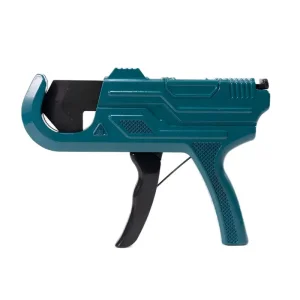
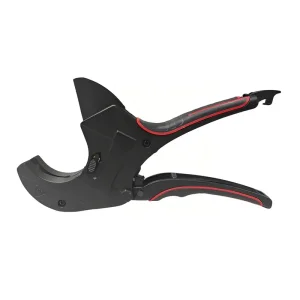
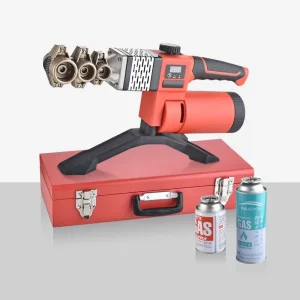
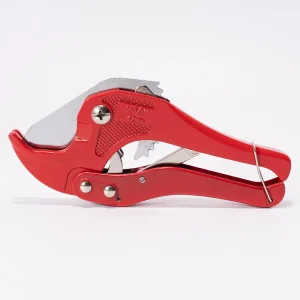
1. Global Market Landscape & Sourcing Dynamics in China
An authoritative breakdown of polymer pipe cutting tool manufacturing, global trade volume growth, and technical standards.
The global market for municipal, industrial, and residential piping systems has undergone a structural transformation over the past decade. The shift from traditional metallic piping (galvanized steel, cast iron, and copper) to advanced thermoplastic polymers—such as Unplasticized Polyvinyl Chloride (PVC-U), Chlorinated Polyvinyl Chloride (CPVC), Polypropylene Random Copolymer (PPR), Cross-linked Polyethylene (PEX), and High-Density Polyethylene (HDPE)—has created an overwhelming demand for specialized cutting, prep, and joining tools.
As the world's leading hardware manufacturing hub, China PVC pipe cutter factories and suppliers in regions like Yuyao, Zhejiang, account for over 65% of global hand tool output. Sourcing directors, industrial procurement teams, and MRO brand owners face complex trade-offs between mechanical blade durability, ratchet gear leverage efficiency, ergonomic design, and cost per unit cycle.
Modern commercial infrastructure projects demand zero-defect shearing. Traditional saw cutting leaves micro-burrs, structural micro-fractures, and irregular edge profiles that jeopardize solvent welding bond strength and O-ring seal integrity in mechanical press fittings. Consequently, precision ratchet-action PVC pipe cutters have become mandatory equipment across international building codes (including ASTM D2855, EN ISO 15877, and DIN 16960).
2. Technical Innovations in PVC & Polymer Pipe Shearing Systems
Engineering analysis of blade metallurgy, gear ratio mechanical advantage, and anti-deformation geometry.
SK5 High-Carbon Steel Metallurgy
Engineered with vacuum heat-treated SK5 steel hardened to HRC 58-62. Provides exceptional edge retention, preventing micro-chipping even when shearing thick-walled Schedule 80 PVC pipes in low ambient temperatures.
Ratchet Torque Amplification (12:1)
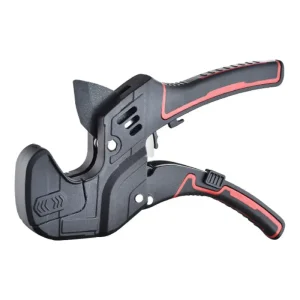
Multi-stage progressive ratchet mechanisms lower operator hand exertion by up to 45%. The mechanical gear drive converts minimal manual grip pressure into linear shearing force exceeding 3,500 N.
Teflon (PTFE) Anti-Friction Coating
Advanced non-stick PTFE blade surface coating reduces sliding friction against polymer walls. Eliminates pipe binding, minimizes heat generation during rapid cuts, and resists sticky solvent residues.
Engineering Rule of Thumb: High-quality PVC cutters require a wedge angle between 15° and 22°. Angles smaller than 15° cause blade deflection on hard Schedule 80 pipes, while angles wider than 22° crush thin-wall conduits instead of shearing them cleanly.
| Tool Category | Compatible Polymer Types | Cutting Diameter Range | Blade Steel Grade | Primary Industrial Application |
|---|---|---|---|---|
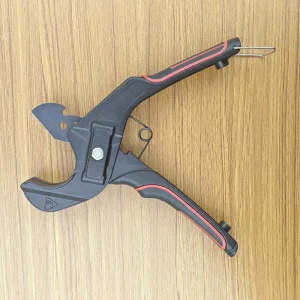
| Compact Ratchet Cutters | PVC, PEX, PPR, Thin-wall PE | 16mm – 42mm (1-5/8") | SK5 High Carbon / Stainless Steel | Residential plumbing, narrow tight-space work |
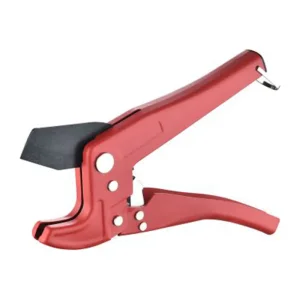
| Heavy-Duty Aluminum Cutters | Schedule 40/80 PVC, CPVC, PPR | 20mm – 63mm (2-1/2") | High-Grade Chrome Vanadium / SK5 | Commercial HVAC, sanitary drainage, solar piping |
| Large Diameter HDPE Cutters | HDPE, Large PE, Multilayer PEX-AL | 50mm – 75mm (3") | M2 High-Speed Steel (HSS) | Municipal water mains, agricultural irrigation |
| Gas & Cordless Fusion Welders | PPR, PE, PB Socket Fusion | 20mm – 32mm / Up to 63mm | Die-Cast Aluminum Heating Plate | Off-grid pipe joining, field maintenance |
3. Turnkey Solutions for Global Infrastructure & OEM Buyers
Tailored cutting and pipe preparation methodologies engineered for key industrial verticals.
Residential Plumbing & Radiant Heating Networks
In high-density apartment construction, installers perform hundreds of PEX and PEX-AL-PEX cuts daily. Precision 36mm and 42mm ratchet cutters combined with 3-in-1 calibrators ensure zero ovality deformities. This prevents leakage in push-fit and press-sleeve fittings under continuous hydrostatic testing up to 16 bar.
Commercial HVAC, Chillers & Industrial Chemical Lines
Transporting corrosive fluids or chilled water requires rigid CPVC and thick-walled Schedule 80 PVC pipes. Heavy-duty adjustable cutters like the Model JC-PC-22 feature reinforced aluminum bodies and V-shaped cradle jaws that hold pipes securely, delivering perpendicular 90° square cuts without pipe slippage.
4. Regional Standardization & Localization Matrix
Adapting manufacturing parameters to global regional codes, climatic conditions, and buyer requirements.
North American Market (ASTM / Imperial Sizes)
Requires strict compliance with ASTM F1281 and ASTM D1785. Cutting tools must handle standard Nominal Pipe Sizes (NPS 1/2" to 2"). Dipped anti-slip handles and high-impact zinc-aluminum housing are preferred for rough jobsite durability in North American residential framing.
European Union (DIN / EN Metric Standards)
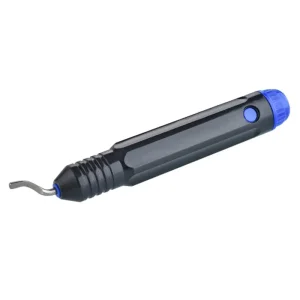
Focuses heavily on ergonomic compliance (CE mark, REACH chemical compliance on rubber handles, and ISO 9001 quality audit trails). Precision metric sizing (20mm, 25mm, 32mm, 40mm, 50mm, 63mm) with clean chamfering capabilities via M2 HSS deburring accessories is essential.
Middle East & Tropical Regions (High-Temp Polymeric Behavior)
Pipes operating in hot climates exhibit altered polymer elasticity. Blade designs must prevent pipe buckling during shearing. Chinese OEM factories provide specialized heat-treated alloy blades with narrower kerfs to overcome thermal softening challenges.
5. Next-Generation Technology Roadmap (2026–2035)
The evolutionary trajectory of smart cutting, hybrid fusion welding, and advanced alloy material engineering.
Smart Sensor Integration & AI QC
Factory integration of automated micro-optical blade inspection during manufacture. Development of handheld pipe cutters embedded with strain-gauge sensors to alert operators to blade dullness.
Cordless Electro-Hydraulic Units
Miniaturization of ultra-light lithium-ion motor drives for rapid one-button shearing of large-diameter HDPE and CPVC pipes up to 110mm under 2 seconds per cut.
Gas-Electric Hybrid Fusion
Advanced dual-energy PPR fusion welders capable of switching dynamically between compact butane gas fuel cartridges and brushless battery packs for off-grid infrastructure projects.
Ultra-Light Titanium-Magnesium Alloy
Transition from standard aluminum alloy cast bodies to high-strength titanium-magnesium matrix composites, reducing overall tool weight by 35% while doubling fatigue life.
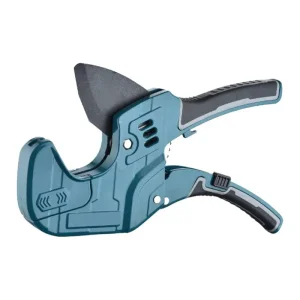
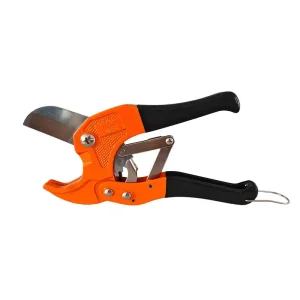
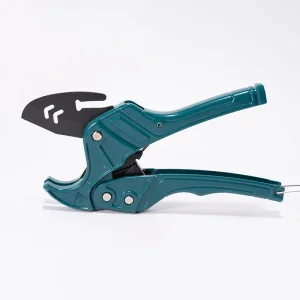
Extended Range: PPR Welders, Deburring & Large-Diameter Cutters
Complete pipe preparation tool systems for wholesale buyers, brand distributors, and global hardware channels.
6. Manufacturing Execution & ISO Quality Standards
How top-tier China manufacturers ensure zero defect batches and international certification compliance.
When qualifying a China cutter pipe PVC manufacturer, procurement executives must look beyond surface aesthetics and evaluate manufacturing execution systems (MES), raw material quality control, and testing protocols. Leading factories operate in accordance with ISO 9001 Quality Management Systems and maintain SGS / CE certifications for electromechanical and thermal joining tools.
Blade Rockwell Hardness (HRC) Verification
Every batch of SK5 steel blades undergoes digital Rockwell hardness sampling (target 58-62 HRC). Blades below 56 HRC dull quickly, while those exceeding 64 HRC risk brittle fracture under high shear stress.
Cycle Endurance Testing (10,000 Cuts)
Automated pneumatic test rigs subject production samples to 10,000 continuous shearing cycles on Schedule 40 PVC under ambient temperatures ranging from -5°C to 45°C to confirm spring retention and gear pawl integrity.
Full Traceability & Custom Packaging
Laser-etched QR codes and lot numbers ensure batch traceability. Factory OEM capabilities include custom handle color matching (Pantone), custom double-blister packaging, and private label branding.
7. Frequently Asked Questions by Industrial Importers & Buyers
Expert answers addressing tool selection, blade maintenance, OEM ordering, and quality verification.