What Is a Plumbing Tools Factory and What Does It Make?

Time:2026-11-22 Author:Ethan
0%

A Plumbing Tools Factory is a production site where plumbing equipment is designed, made, checked, and prepared for sale. Its products may include pipe wrenches, pliers, cutters, basin tools, and compact repair kits. Some factories also make fittings or related hardware, while others focus on hand tools. The exact range depends on the company’s equipment, skills, and customers.

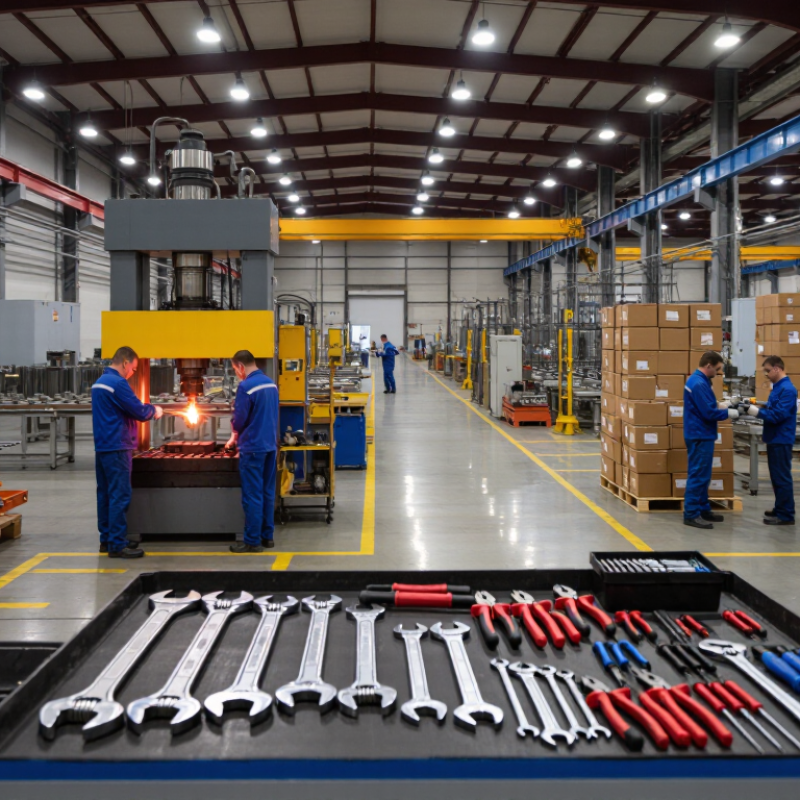
Production is more than shaping metal. Workers may cut steel bars, forge or machine parts, finish handles, assemble joints, and inspect each tool for fit and function. A wrench should grip without slipping; a cutter should leave a clean edge. Small checks matter. A rough handle or loose joint can make a tool frustrating to use. Still, product descriptions do not always reveal how a tool was made or tested. The factory’s name alone is not proof of quality.

This guide explains what these factories typically make and how their production works. It also looks at materials, manufacturing steps, quality checks, and the differences between product categories. These details can help buyers ask clearer questions about durability, intended use, and maintenance. Not every factory follows the same process, and that is worth remembering. The real picture is sometimes less tidy than a catalog suggests.
What Is a Plumbing Tools Factory and What Does It Make?

What a Plumbing Tools Factory Is

A plumbing tools factory is a manufacturing site that turns metal and other materials into tools used to install, repair, and maintain pipes and fixtures. Its products may include pipe cutters, wrenches, threading tools, pliers, and drain-clearing equipment. Not just a warehouse. Unlike a distributor, the factory shapes, finishes, assembles, and tests at least some of its products on-site. UNIDO’s International Yearbook of Industrial Statistics 2024 puts manufacturing near 16% of global GDP in 2023. That is broad context, not a plumbing-tool market estimate.

Production can begin with steel bars or cast blanks. Workers or machines cut, forge, and mill each piece, then apply heat treatment or a protective finish. Small tolerances matter. A cutter’s wheel must track straight; wrench jaws need to grip without slipping. Factories typically inspect dimensions, moving parts, and surface defects, while testing procedures vary by tool and intended use. The floor is practical, not glamorous. And quality is not automatic: a tool may look solid yet feel poorly balanced in the hand. That gap is why material checks and repeatable inspection matter.

The Main Tools and Equipment It Produces

A plumbing tools factory turns steel, aluminum, and durable polymers into equipment for pipe installation and repair. Its main products include pipe wrenches, tubing cutters, deburring tools, pipe threaders, and basin wrenches. Some factories also make drain-cleaning machines and powered pipe presses. Small details matter. A cutter with a poorly aligned wheel can leave a rough edge that complicates a later connection.

Hand tools are shaped, machined, finished, and checked for fit and movement. For example, a wrench jaw must grip securely without slipping across a damp pipe. Cutting wheels need consistent alignment, while threading dies must form clean, even grooves. Fit comes first. Factories may test samples under load, inspect dimensions, and check protective coatings, though exact procedures vary by product and manufacturer.

Larger equipment requires attention to motors, gears, guards, and replaceable parts. A pipe threader, for instance, needs a stable base and a clamp that holds pipe firmly during operation. Instructions and maintenance guidance are also important parts of a dependable product. Yet no inspection makes a tool suitable for every job; pipe material, access, and user technique still matter. That can happen. A compact cutter may work well in a tight cabinet but feel awkward on thicker pipe.

Materials and Components Used in Production

A plumbing tools factory turns raw materials into equipment used to grip, cut, tighten, and measure pipes. Production may begin with steel bars, metal castings, or aluminum stock. Workers shape these materials through forging, casting, stamping, and machining. The process depends on the tool: a pipe cutter needs precise rollers, while a wrench needs strong jaws and a stable body. Small differences matter.

Alloy steel is often used for cutting edges, jaws, and other parts that face repeated pressure. Heat treatment can increase hardness, but excessive hardness may make a component brittle. Tool bodies may use steel, ductile iron, or aluminum, depending on strength and weight requirements. Handles can include molded polymer or rubber grips. Pins, springs, screws, and adjustment wheels connect moving parts and help them work smoothly.

Finishes also serve a practical purpose. Protective coatings can slow corrosion, especially when tools are stored in damp workshops. Yet a coating can hide a rough edge, so visual inspection alone is not enough. Factories may check dimensions, jaw alignment, surface finish, and movement before packing tools. No material is perfect. A lighter body is easier to carry, but it may not suit every demanding job. Proper selection depends on the tool’s design and expected use.

How Plumbing Tools Are Designed and Manufactured

What Is a Plumbing Tools Factory and What Does It Make?

A plumbing tools factory turns job-site needs into tools that can withstand repeated force, water, and grime. Designers begin by studying common tasks: gripping a pipe, cutting tubing, or tightening a fitting in a cramped cabinet. They translate hand clearance, jaw shape, and required torque into drawings and prototypes. A useful detail can be easy to overlook: a handle that feels secure with dry hands may slip when wet.

Engineers select steel, aluminum, or polymers according to load, weight, and wear. Production may involve forging or casting, followed by machining, heat treatment, coating, and assembly. Each step affects fit and durability. A cutter’s moving parts, for example, need smooth travel without excessive play. Workers check dimensions and function with gauges and load tests.

These checks matter. The U.S. Bureau of Labor Statistics reported 2.8 recordable injury cases per 100 full-time workers in manufacturing in 2023, a reminder that safe processes are part of reliable production.

Digital tools increasingly support this work, from computer-aided design to production monitoring. Deloitte’s 2024 smart manufacturing survey found that 86% of manufacturing executives viewed smart manufacturing solutions as a primary competitiveness driver over the next five years. That is a broad manufacturing finding, not a plumbing-tool-specific forecast. Still, sensors can help factories spot process variation before it creates batches of poorly fitting tools. Yet data cannot replace practical trials. A prototype may pass a bench test and still feel awkward in a real crawlspace.

(Sources: U.S. Bureau of Labor Statistics, 2023; Deloitte, 2024)

Quality Checks and Industries Served

A plumbing tools factory makes equipment such as pipe cutters, wrenches, threading dies, and press-tool components. Quality checks start with incoming material: staff verify alloy certificates, dimensions, and visible defects before machining. Finished parts may undergo hardness, jaw-grip, torque, and corrosion-resistance tests. Inspectors also check that moving parts operate smoothly and that measurement tools are calibrated. Small defects matter. A wrench that slips on a wet pipe can damage fittings and slow a repair. Testing methods should match the tool’s intended use, not just a factory checklist.

Reliable checks matter across residential construction, commercial building, infrastructure maintenance, and industrial facilities. The U.S. Census Bureau reported approximately $1.98 trillion in U.S. construction spending in 2023, illustrating the scale of one major market for plumbing tools. The Bureau of Labor Statistics projected 6% employment growth for plumbers, pipefitters, and steamfitters from 2022 to 2032, with about 469,000 jobs in 2022. These figures describe demand, not factory sales. Factories therefore need traceable inspection records and consistent sampling for tools used across different job sites. Not every test catches everything. Even good inspection systems can miss wear that appears only after repeated use; field feedback should inform future checks.

FAQS

What does a plumbing tools factory make?

It produces tools such as pipe cutters, wrenches, threading dies, and press-tool components.

How are plumbing tools designed?

Designers study tasks like gripping pipes or tightening fittings in cramped cabinets. They shape handles and jaws around hand clearance, grip, and force.

Which materials are used to make these tools?

Factories may use steel, aluminum, or polymers. The choice depends on load, weight, and expected wear.

What steps are involved in manufacturing a plumbing tool?

Production can include forging or casting, machining, heat treatment, coating, and assembly. Each step affects fit and durability.

How do factories check tool quality?

Workers inspect materials and dimensions, then test hardness, grip, torque, and corrosion resistance. They also check moving parts and calibrate measurement tools.

Why does a tool need testing in real conditions?

A wrench may grip well in a dry test but slip on a wet pipe. Real use differs.

Which industries use plumbing tools?

Residential and commercial construction, infrastructure maintenance, and industrial facilities all use them. Job-site conditions vary.

Can factory inspections find every problem?

No. Repeated use may reveal wear that standard checks miss, so field feedback should guide future testing. Small defects matter.

Conclusion

A Plumbing Tools Factory is a manufacturing facility that develops and produces the tools used to install, repair, and maintain plumbing systems. Its products may include pipe cutters, wrenches, pliers, threading tools, drain-cleaning equipment, and measuring or testing devices. Depending on their purpose, tools may be made from steel, aluminum, durable plastics, rubber, and other materials, with components selected to provide strength, precision, and a comfortable grip.

Production typically begins with product design and material selection. Parts are then shaped, machined, assembled, and finished according to the tool’s intended use. Throughout the process, quality checks can assess dimensions, durability, safe operation, and overall performance. Finished tools serve a range of users and industries, including plumbing contractors, construction teams, maintenance departments, and households. By combining thoughtful design, reliable materials, and consistent inspections, a factory helps supply practical equipment for everyday plumbing tasks.

Ethan

Ethan

Ethan is a seasoned marketing professional with a deep expertise in our company's innovative product line. With a passion for sharing knowledge and insights, he takes the lead in regularly updating our corporate blog, where he explores industry trends, product features, and effective marketing......
Certificate preview