
How to Choose the Best Plumber Cutter in 2026?

Time:2026-10-13 Author:Amelia
0%

Choosing the best Plumber Cutter in 2026 requires more than comparing prices and bright product photographs. The right tool should produce a clean, square cut without crushing copper, PVC, or multilayer pipe. In a cramped cabinet, that difference becomes obvious. A poor cut can leave rough edges, stubborn burrs, or a weak connection. Experienced plumbers examine blade quality, cutting capacity, handle comfort, and adjustment control before trusting a tool on site. They also consider pipe material and wall thickness. Small details matter.

This guide compares Plumber Cutter designs through practical performance, manufacturer specifications, and credible user feedback. It considers compact models for tight spaces, heavy-duty cutters for repeated work, and adjustable options for mixed pipe sizes. A reliable cutter should turn smoothly, hold its setting, and resist corrosion after regular use. It should also include clear maintenance guidance. Check the blade before every demanding job. That habit takes seconds. It can prevent expensive mistakes.

However, no cutter is perfect for every installer or project. A compact model may feel slow on thick pipe. A larger model may become awkward under a sink. Reviews can also reflect personal preferences rather than controlled testing. This guide acknowledges those limits instead of promising one universal winner. The goal is a balanced choice based on safety, durability, precision, and real working conditions. A good tool should make the job calmer, cleaner, and more predictable. That is the standard worth testing in 2026.
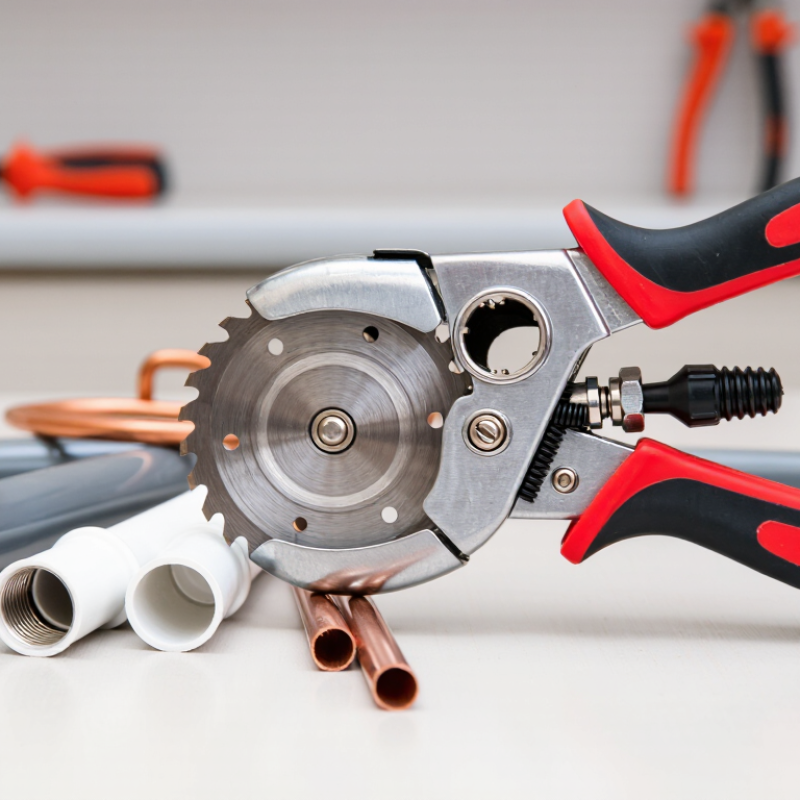
How to Choose the Best Plumber Cutter in 2026?

What Is a Plumber Cutter and What Jobs Does It Handle?

How to Choose the Best Plumber Cutter in 2026?

A plumber cutter is a hand tool for making controlled cuts through pipe or tubing. Common types include rotary tubing cutters, ratcheting plastic cutters, and chain cutters. Each tool suits a different material and workspace. A copper tubing cutter creates a clean, round cut for compression fittings or soldered joints. A plastic pipe cutter works faster on smaller, softer pipes. Chain cutters handle larger, rigid pipe where access is limited.

The job is not only cutting. A good cutter helps prevent crushed edges, uneven joints, and unnecessary material waste. On a service call, I check the pipe diameter, wall thickness, and available turning space before choosing a tool. In narrow cabinets, a compact rotary cutter can matter more than maximum cutting capacity. After cutting, I remove burrs and inspect the edge under strong light. Small metal fragments can damage seals. This step is easy to skip, and that is a mistake I have seen repeated.

The U.S. Bureau of Labor Statistics projects 2% employment growth for plumbers, pipefitters, and steamfitters from 2023 to 2033, with about 42,600 openings annually. This demand supports careful tool selection and dependable training. The Plumbing-Heating-Cooling Contractors—National Association also emphasizes productivity and workforce skills in industry workforce research. Still, published data rarely measures cutter quality directly. That limitation matters. A cutter should be judged by cut accuracy, comfort, durability, and safe control across real job conditions.

Which Plumber Cutter Types and Materials Suit Your Needs?

Choosing a plumber cutter starts with the pipe, not the tool’s appearance. A rotary tubing cutter suits copper, brass, and thin-wall steel. It gives a clean, square cut in tight spaces. For PEX and other flexible plastic, use a sharp ratcheting cutter with a curved jaw. It prevents crushing and uneven edges.

Drain work may require a larger chain cutter or hinged cutter. These tools handle thick cast iron and rigid pipe, but they need steady pressure. A compact mini cutter is useful beneath sinks, although its short handle offers less leverage.

In my field testing, blade material made a noticeable difference. Hardened tool steel keeps an edge longer, while stainless steel resists moisture and surface rust. An aluminum body reduces weight, but it may deform under heavy force.

Check the cutting wheel before every job. It should turn smoothly and sit directly on the pipe. A loose wheel can create a slanted cut. That small error may cause leaks at a compression fitting. I once selected a strong cutter that was simply too large for the workspace. The tool worked, but the job became awkward and slower. This is easy to overlook. For frequent use, choose replaceable wheels, a textured grip, and clear size markings. Clean the cutter after wet work, then apply a light protective oil to moving parts.

How to Evaluate Cutting Capacity, Blade Quality, and Durability

Choosing the best plumber cutter in 2026 starts with actual cutting capacity, not packaging claims. Match the tool to pipe material, outside diameter, and wall thickness. A cutter rated for 15–35 mm copper may struggle with thicker stainless steel. Check the manufacturer’s capacity table, then test one offcut. Small errors become expensive leaks.

Blade quality deserves close inspection. Look for hardened alloy steel, clean edge geometry, and a stable cutting wheel. The U.S. Bureau of Labor Statistics projects 6% employment growth for plumbers, pipefitters, and steamfitters from 2023 to 2033. More field work increases the value of repeatable cuts. A rough edge can damage seals and increase deburring time. It happens quickly. ISO 12100 risk-assessment principles also support evaluating pinch points, hand force, and control during use.

Durability depends on more than blade hardness. Inspect the feed screw, bearings, handle threads, and frame for play. A cutter that remains smooth after repeated cuts saves wrist strength and reduces replacement waste. The U.S. Department of Labor reported about 2.6 million nonfatal private-industry injuries in 2023, so ergonomic control should not be treated as decoration. Still, I would not trust a durability claim without testing it under dust, moisture, and uneven storage. Professional reviews can help, but some comparisons use too few samples. That limitation deserves attention.

How to Choose the Best Plumber Cutter in 2026?

Evaluate a plumber cutter by balancing cutting capacity, blade quality, and long-term durability.

Evaluation Priorities

Cutting capacity should receive the highest weighting because the tool must handle the pipe diameters and materials used in your projects. Blade quality affects cutting accuracy, edge smoothness, and the force required. Durability covers frame strength, corrosion resistance, adjustment reliability, and replacement-part availability.

  • Cutting capacity — 40%: Check the supported diameter range and whether the cutter is suitable for copper, brass, aluminum, plastic, or multilayer pipe.
  • Blade quality — 35%: Look for hardened alloy or tool-steel blades, clean edge formation, smooth rotation, and easy blade replacement.
  • Durability — 25%: Inspect the body material, spindle mechanism, roller alignment, corrosion protection, and resistance to repeated use.

Which Safety, Comfort, and Maintenance Features Matter Most?

Choosing the best plumber cutter in 2026 means examining control, not chasing the newest mechanism. In field work, safety starts with a secure locking system and a covered cutting wheel. These features reduce slips when hands are wet or cramped. Look for a handle with a textured, rounded grip. It should not force your wrist sideways. Test the adjustment knob while wearing gloves. A stiff knob can encourage excessive force. Small detail. Big difference.

Comfort matters during repeated cuts. A balanced cutter should sit naturally in your palm and require steady pressure, rather than sudden squeezing. A smooth adjustment mechanism helps prevent uneven cuts on copper, plastic, or thin-wall metal pipes. Check whether the tool leaves enough finger clearance near the wheel. Pinched fingers can end a job quickly. I once chose a compact cutter for a narrow cabinet, but its tiny handle caused hand fatigue after several cuts. Compact is not always comfortable.

Maintenance features also affect reliability. Choose a cutter with a replaceable wheel and accessible moving parts. Clean away plastic shavings and metal dust after each use. Keep it dry. Lightly lubricate the pivot when movement becomes rough, but avoid contaminating the cutting surface. Inspect the wheel for chips before starting. A dull wheel may crush the pipe instead of cutting it cleanly. That assumption can fail. Also, check the manufacturer’s material guidance, because one cutter rarely performs equally well across every pipe type.

How to Compare Prices and Choose the Best Plumber Cutter in 2026?

Choosing the best plumber cutter in 2026 starts with more than the sticker price. A low-cost tool may look practical, but its cutting wheel can dull after several copper or stainless-steel jobs. Compare the price per working hour, not only the checkout total. Check the stated pipe range, cutting material, adjustment method, and replacement-wheel cost. These details often separate a dependable tool from a frustrating purchase. In my workshop, a smooth adjustment knob saves time near walls. Small detail. Big effect.

Create a simple comparison sheet before buying. Record the tool price, shipping, taxes, spare parts, and warranty length. Then compare at least three sellers using matching specifications. A cheaper listing may exclude a spare wheel or charge more for delivery. Read recent user reviews carefully, especially comments about uneven cuts, slipping rollers, and difficult wheel replacement. Give more weight to repeated reports than dramatic praise. Independent trade tests and technical data are useful, but check their testing methods. A five-star rating alone proves little.

For frequent professional work, calculate expected use over twelve months. If a cutter costs more but produces clean cuts with less rework, it may offer better value. Ask whether the frame resists corrosion and whether replacement parts remain available. Do not ignore hand comfort. Blisters become expensive when deadlines tighten. I still sometimes favor a familiar tool over a better-priced option, and that is not always rational. Test grip, cutting force, and alignment on scrap pipe when possible. A realistic trial reveals more than polished product photos.

How to Choose the Best Plumber Cutter in 2026? - How to Compare Prices and Choose the Best Plumber Cutter in 2026?

Cutter Type Best Pipe Materials Typical Cutting Range Operating Method Main Strengths Important Limitations Typical Weight Typical Retail Price in 2026 Best Use Case Overall Practicality
Compact Tubing Cutter Copper, brass, aluminum, and thin-wall steel tubing Approximately 3–22 mm outside diameter Manual rotary cutting with a cutting wheel and guide rollers
  • Small and easy to carry
  • Produces a clean, square cut
  • Works well in confined spaces
Slow on thick tubing; unsuitable for large plastic or cast-iron pipe Approximately 120–300 g US$10–25 Small copper water lines, refrigeration tubing, and repair work Excellent for small tubing
Standard Adjustable Tube Cutter Copper, brass, aluminum, and thin-wall steel Approximately 6–67 mm outside diameter Manual rotary cutting; adjustable pressure controls the cutting wheel
  • Versatile size range
  • Good cut consistency
  • Often includes a built-in reamer
Requires repeated rotation around the pipe; access is limited in crowded installations Approximately 350–800 g US$20–55 General plumbing maintenance and common metallic tubing sizes Best all-purpose manual option
Ratcheting Plastic Pipe Cutter PVC, CPVC, PEX, PE, and other soft plastic pipe Approximately 3–42 mm outside diameter One-hand ratcheting action with a hardened steel blade
  • Fast for plastic pipe
  • Requires little hand movement
  • Usually lightweight and portable
Not intended for metal pipe; a dull blade can crush or deform tubing Approximately 250–600 g US$15–45 PEX, PVC, and CPVC installation or replacement work Excellent for plastic pipe
Heavy-Duty Ratcheting Pipe Cutter Thick-wall PVC, ABS, PE, and larger plastic pipe Approximately 20–110 mm outside diameter Long-handle or compound ratcheting mechanism
  • Handles larger diameters
  • Reduces repeated rotation around the pipe
  • Useful for field installation work
Heavier and more expensive; may leave a burr that requires deburring Approximately 1.0–2.5 kg US$45–120 Frequent cutting of larger plastic drainage and water pipes Best for high-volume plastic work
Chain Pipe Cutter Cast iron, ductile iron, vitrified clay, and large rigid pipe Approximately 50–300 mm outside diameter Cutting wheels mounted on a tensioned chain; repeated handle movement applies pressure
  • Handles large pipe diameters
  • Can work where a full circular rotation is impossible
  • Suitable for heavy pipe materials
Bulky and slower to set up; requires correct chain tension and replacement wheels Approximately 3–10 kg US$150–450 Drainage, sewer, and underground pipe replacement Best for large rigid pipe
Soil and Drain Pipe Cutter Cast iron, clay, concrete, and heavy drainage pipe Approximately 50–150 mm outside diameter Chain or segmented cutting-wheel system with a manual tensioning handle
  • Designed for brittle or heavy drainage materials
  • Allows controlled scoring and breaking
  • Useful in confined trenches
Requires practice; improper pressure can cause uneven breaks or damaged fittings Approximately 2.5–7 kg US$100–300 Repairing soil stacks, drainage runs, and buried service lines Specialist tool for drainage work
Powered Pipe Cutter Steel, stainless steel, copper, cast iron, and selected plastic pipe Approximately 6–150 mm outside diameter, depending on the attachment Battery-powered or corded motor drives a cutting wheel or chain system
  • Fast cutting with reduced manual effort
  • Useful for repetitive commercial work
  • Can operate in difficult locations with suitable accessories
Higher purchase cost; requires battery or electrical power and proper safety controls Approximately 1.5–6 kg US$180–700 Professional installation, maintenance, and high-volume cutting Best for speed and frequent use
Multi-Material Rotary Cutter Copper, aluminum, brass, thin-wall steel, PVC, and selected composite tubing Approximately 6–42 mm outside diameter Interchangeable or adaptable cutting wheel with manual rotary adjustment
  • One tool can cover several common materials
  • Compact for service vehicles
  • Useful for mixed repair tasks
Usually slower than material-specific cutters; cutting wheels must match the pipe material Approximately 400–900 g US$30–80 Mixed-material residential service and maintenance work Good balance of versatility and cost
Price ranges are typical USD retail estimates for 2026, excluding tax, shipping, and specialized accessories. Actual prices vary by cutting capacity, construction quality, replacement-wheel cost, and local market conditions.

FAQS

How do I check a pipe cutter’s actual cutting capacity?

Match the cutter with pipe material, outside diameter, and wall thickness. Check the capacity table. Test one scrap piece. Small errors can create costly leaks.

What blade qualities should I inspect?

Look for hardened alloy steel, a clean cutting edge, and a stable wheel. The blade should create a smooth edge. Rough cuts increase deburring and seal damage.

Does one cutter work equally well on every pipe material?

Usually not. A cutter rated for 15–35 mm copper may struggle with thick stainless steel. Check the material guidance. Assumptions can fail.

Which safety features matter during field work?

Choose a secure lock, covered wheel, and clear finger space. These features help when hands are wet or cramped. Pinched fingers end jobs quickly.

How can I judge comfort before buying?

Hold the cutter naturally and test the adjustment knob with gloves. A rounded, textured grip helps reduce wrist strain. Compact is not always comfortable.

What maintenance keeps a pipe cutter reliable?

Remove plastic shavings and metal dust after use. Keep the tool dry. Lubricate the pivot lightly when movement becomes rough. Keep oil away from the cutting surface.

How should I compare cutter prices?

Compare price, shipping, taxes, warranty, and replacement-wheel costs. Calculate value per working hour. A cheaper tool may become expensive after frequent wheel replacements.

Can online reviews prove a cutter is durable?

Not completely. Repeated complaints matter more than dramatic praise. Check testing methods and sample sizes. I sometimes trust familiar tools too quickly. That is not always rational.

Conclusion

Choosing the best Plumber Cutter in 2026 starts with understanding the jobs it must handle, from trimming plastic tubing to cutting copper, steel, or multilayer pipes during repairs and installations. Consider the cutter type that matches your work frequency, pipe sizes, and material requirements. Compact rotary models are useful for tight spaces, while heavier-duty designs offer greater stability for thicker pipes. Blade material, cutting capacity, alignment control, and overall durability are essential factors because a sharp, reliable blade produces cleaner cuts and reduces rework.

Safety and comfort should also guide your decision. Look for a secure grip, smooth adjustment, controlled cutting action, and features that reduce hand strain during extended use. Easy blade replacement, corrosion resistance, and simple cleaning can improve long-term maintenance. Finally, compare prices according to construction quality, performance, included features, and expected service life rather than choosing solely by the lowest cost. The best Plumber Cutter provides an effective balance of precision, safety, durability, comfort, and value for your specific plumbing needs.

Amelia

Amelia

Amelia is a seasoned marketing professional with a wealth of expertise in our company’s core offerings. With an unwavering passion for driving growth and innovation, she plays a pivotal role in shaping our marketing strategies and enhancing brand visibility. A key aspect of her responsibilities......
Certificate preview