Choosing a Plastic Plumbing Pipe Cutter is not just a matter of comparing prices. A dependable tool should make clean, square cuts across the pipe sizes and materials used in everyday plumbing work. Smooth blade movement, a comfortable grip, and a secure locking mechanism can make a noticeable difference on a busy jobsite. Small details matter.
For buyers searching for a China-based manufacturer, the product description is only a starting point. Ask about blade materials, handle construction, cutting capacity, sample availability, and quality checks during production. Clear specifications help compare suppliers without relying on broad claims. Photos of the cutting edge, packaging, and finished tool can also support a more practical review. Still, photos cannot replace testing a sample.
The right choice depends on real use. A compact cutter may suit repair kits, while frequent installation work may call for a sturdier model with replaceable blades. Check how the cutter performs on the pipe types you actually handle. A low price can be attractive, but it means little if the cut is uneven or the tool becomes uncomfortable after repeated use.
This guide explores what to consider when evaluating a China Plastic Plumbing Pipe Cutter manufacturer for sale, from design and production details to supplier communication. No single cutter is ideal for every crew. That part is easy to overlook. A careful comparison, backed by clear specifications and sample testing, gives buyers a more reliable basis for a decision.
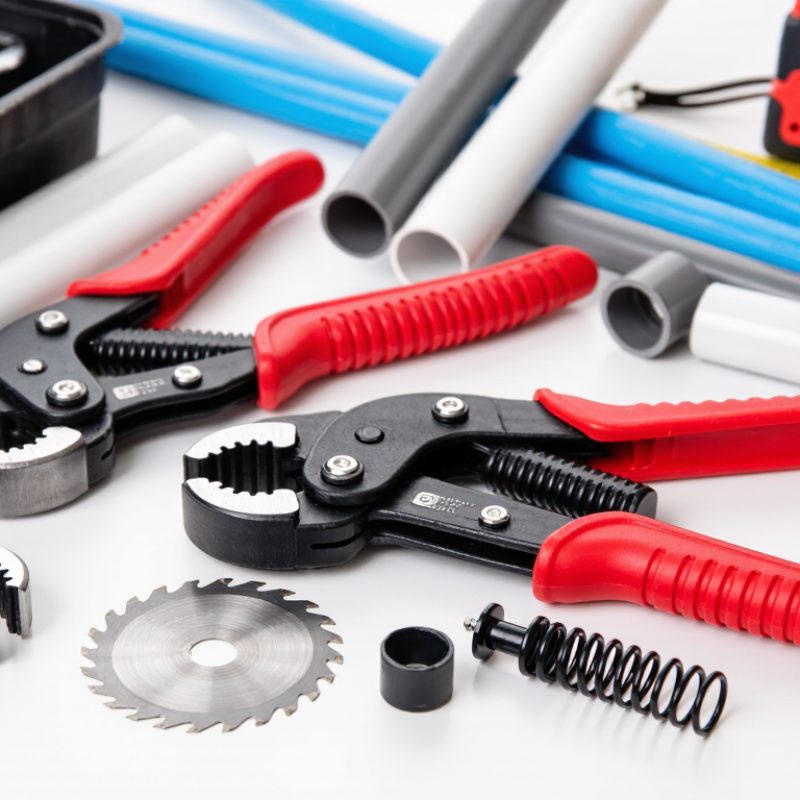
A plastic plumbing pipe cutter is a hand tool designed to make controlled cuts through plastic pipe. Common designs include ratcheting cutters, which close a blade through the pipe, and rotary cutters, which turn around it. The right style depends on the pipe material, diameter, and tool’s stated capacity. A cutter that is too small may crush or split the pipe rather than cut it cleanly.
Clean, square cuts matter. A slanted or rough edge can make fitting and sealing more difficult. In a workshop, the practical routine is simple: support the pipe, mark the cut, and keep the blade aligned with the mark. Short strokes help with ratcheting models. Small tool, real impact.
After cutting, check the end for burrs or deformation, and prepare it as the fitting instructions require. Wear eye protection and keep fingers clear of the blade. One detail is easy to miss: a sharp-looking cutter may still be unsuitable for a particular pipe size. Checking its capacity first takes little time, though it can prevent a frustrating cut.
A ratcheting plastic pipe cutter works like a controlled wedge. The pipe rests in a curved jaw while a hardened blade moves through it. Each squeeze engages a pawl, advancing the blade a little farther. This gradual action reduces hand force and helps keep the cut square. Small detail. The blade must be sharp.
A scissor-style cutter may cut thin-wall tubing in one stroke. For larger or stiffer pipe, a ratchet mechanism is often easier to control. A rotary cutter works differently: its wheel rolls around the pipe and tightens gradually, scoring the surface before cutting through.
Any cutter can crush soft pipe if it is mis-sized, dull, or held at an angle. Seat the pipe firmly, then inspect the end for burrs or deformation. Even a small ridge may interfere with a fitting or seal.
The U.S. EPA’s 2023 Drinking Water Infrastructure Needs Survey and Assessment estimates $625 billion in drinking-water infrastructure needs over 20 years. This is not a cutter-performance test, but it highlights the value of dependable installation work.
After cutting, check that the pipe remains round, clean, and compatible with its fitting. I would still inspect the edge by eye; a tool cannot judge alignment for you.
A plastic plumbing pipe cutter can handle several common materials, but compatibility depends on its blade and cutting mechanism. Many ratcheting models are designed for PVC, CPVC, and PEX; some also cut polypropylene pipe. Not every cutter suits every plastic. Check the tool specifications before use, especially for reinforced or multilayer pipe. A test cut on an offcut can reveal whether the blade crushes or deforms the pipe.
Capacity is usually listed by outside diameter, not nominal pipe size. Compact hand cutters often suit smaller pipe, while heavier models may handle diameters around 40–60 mm; exact limits vary. Measure the pipe, then confirm the cutter’s stated range and maximum wall thickness. Keep the pipe square in the jaws, and advance the ratchet steadily. A clean edge matters. I would not assume a cutter that fits the diameter can also manage thick-walled pipe. Inspect the cut for cracks or flattening before joining, because a neat-looking edge can still be damaged.
China Best Plastic Plumbing Pipe Cutter Manufacturer for Sale
What Features Define a Reliable Pipe Cutter Manufacturer?
A reliable cutter starts with a clearly defined use: pipe material, outside diameter, wall thickness, and job-site conditions. A tool designed for soft PVC may deform thin-wall pipe or struggle with reinforced plastic. Check blade geometry, corrosion-resistant components, comfortable grips, and a ratchet that advances smoothly. Ask for cut samples across the stated size range, not just a showroom demonstration. Small details matter. A square, burr-light cut can make fitting assembly easier, though it cannot replace correct installation practice.
Grand View Research’s Global Plastic Pipes Market report valued the market at USD 25.6 billion in 2023. That scale makes consistent tools and documented quality checks commercially important, but market growth alone proves nothing about a factory. Request inspection records, batch traceability, blade-life results, and repeatability tests. Practical checks should include cuts through different pipe sizes, with measurements of cut angle and edge quality.
ISO 9001 certification can support process discipline, but it does not certify each cutter’s accuracy. Ask how incoming steel, blade hardness, and finished-tool performance are checked. A polished catalog is not proof. Replacement blades, clear operating guidance, and responsive technical support also matter. One point deserves scrutiny: a cutter may work well on a fresh blade yet perform poorly after repeated use. Ask for evidence from durability testing before deciding.
How to Evaluate and Buy Pipe Cutters from China?
A reliable evaluation starts with the pipe, not the catalog. Confirm the cutter’s stated diameter range and test it on the actual plastic pipe types you use. Check whether the blade cuts cleanly without crushing or leaving a rough edge. Look closely at the hinge, ratchet, handle grip, and blade replacement process. Small details matter. A slippery handle can become tiring during repeated cuts.
Ask the manufacturer for clear specifications, sample availability, and inspection records for materials and finished products. Request a sample before placing a large order. Make several cuts on different pipe diameters, then inspect the results under good light. Note how much hand pressure each cut requires. Even a careful sample test has limits, so ask how production units are checked for blade alignment and cutting consistency. No checklist catches everything.
Compare quotations by more than the unit price. Confirm order quantities, lead times, packaging, spare blade options, and shipping terms in writing. Ask how defects are handled and whether product specifications can be stated on the purchase documents. Communication is part of the evaluation: precise answers are more useful than broad promises. A low quote may still be worthwhile, but only when its scope is clear. The process can feel slow. That is usually cheaper than discovering a mismatch after delivery.
Compare a cutter’s stated maximum capacity with the pipe’s actual outside diameter—not just its nominal size. The values shown are standard outside diameters for selected PVC Schedule 40 pipe sizes under ASTM D1785. Before purchasing, also confirm the cutter is suitable for the pipe material and wall thickness, and request product specifications and sample testing.
Many models cut PVC, CPVC, and PEX. Some also handle polypropylene. Check the tool specifications before cutting.
Measure the pipe’s outside diameter. Compare it with the cutter’s stated range and maximum wall thickness. Don’t rely on nominal size alone.
No. Reinforced or multilayer pipe may need a different tool. Try an offcut first.
The edge should be square, without cracks or flattened spots. A neat-looking cut can still hide damage.
Request a sample and cut several pipe diameters. Inspect each edge under good light, and note the hand pressure required.
Examine the hinge, ratchet, handle grip, and blade replacement process. Small details matter. A slippery handle can tire your hand during repeated cuts.
Get specifications, order quantities, lead times, packaging, spare blade options, and shipping terms in writing. Ask how defects are handled.
Not by itself. Compare what each quotation includes, and ask how production units are checked. I might still miss a mismatch, so clear sample testing helps.
A Plastic Plumbing Pipe Cutter is a practical tool for making clean, controlled cuts in plastic pipes used in plumbing and related installations. It typically uses a sharp blade and a hand-operated mechanism to apply steady pressure, helping reduce crushing, uneven edges, and unnecessary effort. Depending on its design and cutting capacity, it may work with materials such as PVC, PEX, and other common plastic piping, across a range of pipe diameters. Choosing the right model means matching its supported materials and sizes to the intended tasks.
When evaluating a manufacturer in China, consider product consistency, material quality, blade durability, ergonomic design, safety features, and the clarity of product specifications. Ask about available sizes, inspection procedures, packaging, customization options, and order requirements before buying. Comparing samples and quotations can help assess value and suitability. A dependable supplier should communicate clearly and provide enough technical information for buyers to select a cutter that meets their practical needs.
